
Maintaining good health is essential for leading a happy and fulfilling life. However, with busy schedules and demanding lifestyles, it can be challenging to prioritize one’s health. Fortunately, there are several ways to boost your health and improve your overall well-being.
Adopting a healthy diet is one of the most effective ways to boost your health. Consuming a balanced diet rich in nutrients can help prevent chronic diseases such as diabetes, heart disease, and obesity. Incorporating fruits, vegetables, whole grains, and lean proteins into your diet can provide your body with the necessary vitamins and minerals to function optimally.
Another way to boost your health is by engaging in regular physical activity. Exercise helps maintain a healthy weight, improves cardiovascular health, strengthens bones and muscles, and reduces stress and anxiety. Even small amounts of physical activity, such as taking a brisk walk or stretching, can have significant health benefits.
Fundamentals of a Healthy Diet
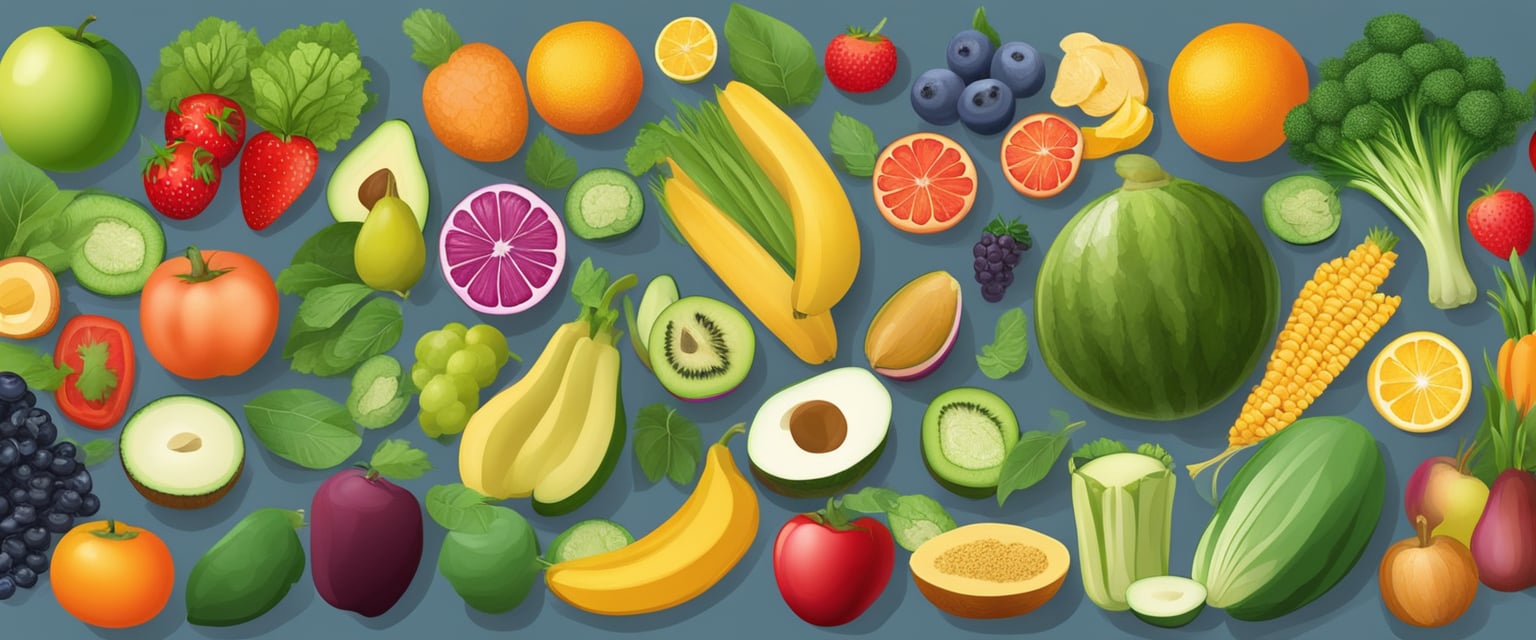
Maintaining a healthy diet is essential for overall well-being. It can help reduce the risk of chronic diseases, improve mental health, and promote healthy aging. Here are some fundamental aspects of a healthy diet.
Balancing Macronutrients
Macronutrients, including carbohydrates, proteins, and fats, are essential for the body to function correctly. A balanced diet should include a variety of macronutrients in the proper proportions. Carbohydrates provide energy, proteins are the body’s building blocks, and fats help absorb vitamins and minerals. A balanced diet should include 45-65% carbohydrates, 10-35% proteins, and 20-35% fats.
Importance of Micronutrients
Micronutrients, including vitamins and minerals, are essential for the body to function correctly. A deficiency in micronutrients can lead to various health problems. A healthy diet should include a variety of fruits, vegetables, whole grains, and lean proteins to ensure adequate intake of micronutrients.
Choosing Whole Foods Over Processed Foods
Whole foods, including fruits, vegetables, whole grains, and lean proteins, are healthier than processed foods. Processed foods often contain high amounts of sugar, salt, and unhealthy fats. A healthy diet should include a variety of whole foods to ensure adequate intake of nutrients and fiber.
In summary, a healthy diet should include a balance of macronutrients, adequate micronutrients, and a variety of whole foods. It is essential to avoid processed foods and choose healthier options. By following these fundamentals, one can achieve a healthy and balanced diet.
Lifestyle Modifications for Improved Health

Regular Physical Exercise
Regular physical exercise is a crucial component of a healthy lifestyle. It helps to maintain a healthy weight, improve cardiovascular health, and reduce the risk of chronic diseases such as diabetes and heart disease. Engaging in physical activity for at least 30 minutes a day, most days of the week can have significant health benefits.
There are many different types of physical activity that individuals can incorporate into their daily routines. These include aerobic exercise, strength training, flexibility exercises, and balance exercises. It is important to choose activities that are enjoyable and sustainable in the long term.
Adequate Rest and Sleep
Getting adequate rest and sleep is essential for good health. Lack of sleep can lead to a range of health problems, including obesity, diabetes, and cardiovascular disease. It can also impair cognitive function and increase the risk of accidents.
Adults should aim for 7-9 hours of quality sleep each night. To improve sleep quality, it is important to establish a regular sleep routine, avoid caffeine and alcohol before bedtime, and create a comfortable sleep environment.
Stress Management Techniques
Stress is a normal part of life, but excessive stress can negatively affect mental and physical health. Stress management techniques such as meditation, deep breathing, and yoga can help reduce stress levels and improve overall well-being.
Try Out Moringa Magic To Boost Your Health! (It’s Guaranteed)
Other effective stress management techniques include exercise, spending time with loved ones, and engaging in enjoyable activities. It is important to find stress management techniques that work for each individual.
Reducing Harmful Habits
Reducing harmful habits such as smoking and excessive alcohol consumption can have significant health benefits. Smoking is a major risk factor for many chronic diseases, including cancer, heart disease, and stroke. Quitting smoking can improve lung function and reduce the risk of developing these diseases.
Excessive alcohol consumption can also have negative effects on health, including liver disease, high blood pressure, and increased risk of cancer. Reducing alcohol consumption to moderate levels can help to improve health outcomes.
Lifestyle changes such as engaging in regular physical activity, getting adequate rest and sleep, practicing stress management techniques, and reducing harmful habits can have significant health benefits. For optimal health outcomes, it is important to make sustainable changes that can be maintained in the long term.
Boosting Immune Function

The immune system is a complex network of cells, tissues, and organs that work together to defend the body against harmful invaders such as viruses, bacteria, and other pathogens. A strong immune system is crucial for overall health and well-being. Here are some ways to boost immune function:
Nutritional Support for the Immune System
Eating a healthy, balanced diet is essential for immune function. Certain nutrients, such as vitamin C, zinc, and vitamin A, have been shown to support immune function. Foods rich in these nutrients include citrus fruits, nuts and seeds, yogurt, and leafy green vegetables like spinach. It is also essential to limit the intake of processed foods and saturated fats, which can contribute to chronic inflammation and weaken the immune system.
Understanding the Role of Gut Health
The gut microbiome plays a crucial role in immune function. A healthy gut is populated with beneficial bacteria that help to regulate the immune system and protect against harmful invaders. To support gut health, it is important to eat a diet that is rich in fiber and fermented foods like sauerkraut and yogurt. Probiotic supplements may also be beneficial for some individuals.
Supplementation and Immunity
Certain supplements, in addition to a healthy diet, may help boost immune function. Vitamin D has been shown to support immune function and may be particularly beneficial for individuals who are deficient in this nutrient. Zinc and elderberry supplements may also be helpful.
It is important to note that while supplements can be helpful, they should not be relied upon as a substitute for a healthy diet and lifestyle.
There are many ways to support immune function and promote overall health. By eating a healthy diet, supporting gut health, and considering supplementation when necessary, individuals can help to boost their immune function and protect against illness and disease.
It is important to consult with a physician or immunologist before making any significant changes to your diet or supplement regimen, particularly if you have a chronic condition or are taking medication. Vaccines such as the flu shot and pneumonia vaccine can be an important tool for protecting against illness and supporting immune function.


