
The phrase “using neurodivergence as an excuse” sparks heated debates in workplaces, classrooms, and relationships across the globe. 🧠 This controversial topic sits at the intersection of disability rights, personal responsibility, and social understanding. While some people genuinely struggle with neurological differences that affect their daily functioning, others worry that neurodivergent labels are becoming shields against accountability.
The truth is far more nuanced than either extreme suggests. Using neurodivergence as an excuse represents a complex conversation that requires both compassion and critical thinking. Neither dismissing real neurological challenges nor avoiding all personal responsibility serves anyone well.
This article explores the delicate balance between explanation and excuse, support and accountability. Whether you’re neurodivergent yourself, supporting someone who is, or trying to understand workplace dynamics, this guide offers practical insights for navigating these sensitive waters.
Key Takeaways
• Explanation vs. excuse: Understanding root causes of behavior differs from avoiding responsibility for impact
• Neurodivergence is real: Conditions like ADHD, autism, and dyslexia have genuine neurological bases that affect daily functioning
• Accountability matters: Growth happens when people take ownership while receiving appropriate support
• Balance is possible: Compassion and responsibility can coexist in healthy relationships and environments
• Context is crucial: What looks like “making excuses” might be genuine disability accommodation needs
What Is Neurodivergence?
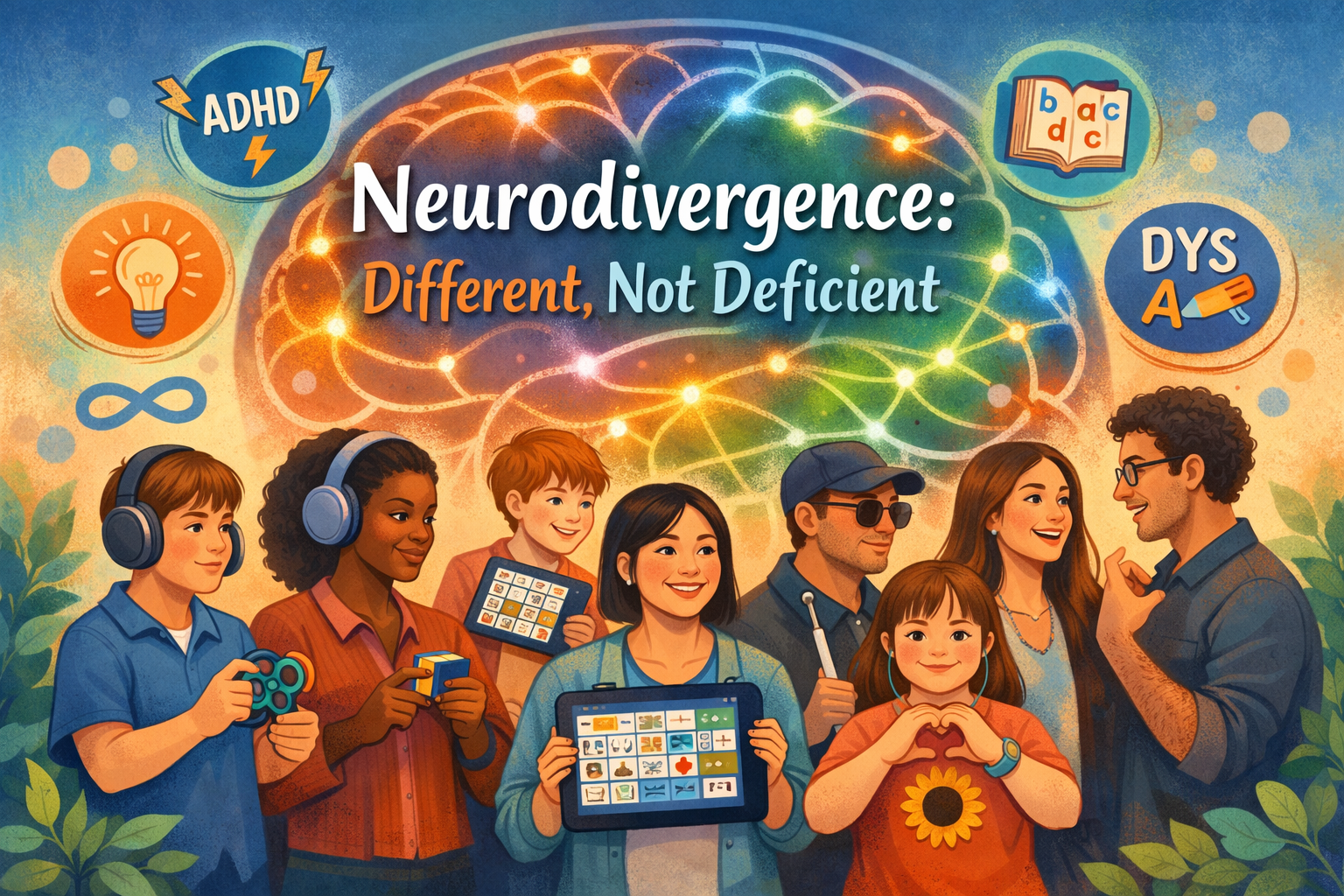
Neurodivergence refers to natural variations in brain function and behavior. This umbrella term includes conditions like:
- ADHD (Attention Deficit Hyperactivity Disorder)
- Autism Spectrum Disorder
- Dyslexia and other learning differences
- Tourette’s Syndrome
- Bipolar Disorder
- Anxiety and Depression (in some contexts)
Core Traits That Affect Behavior
Neurodivergent individuals often experience challenges in specific areas:
Executive Dysfunction 🎯
- Difficulty with planning and organization
- Time blindness and poor time management
- Trouble prioritizing tasks
- Working memory challenges
Sensory Processing Differences
- Overwhelm from lights, sounds, or textures
- Need for sensory breaks
- Difficulty filtering background noise
- Physical discomfort in certain environments
Emotional Regulation Variations
- Intense emotional responses
- Difficulty managing stress
- Rejection sensitivity
- Mood fluctuations
Social Communication Differences
- Challenges reading social cues
- Direct communication style
- Difficulty with small talk
- Need for clear expectations
These traits stem from neurological differences, not character flaws or laziness. Brain imaging studies consistently show structural and functional differences in neurodivergent brains. Understanding this biological basis helps separate legitimate challenges from behavioral choices.
Why the “Excuse” Debate Exists
The tension around using neurodivergence as an excuse emerges from several cultural and practical factors:
Workplace Frustrations
Managers and colleagues sometimes feel confused when neurodivergent employees request accommodations or explain performance issues through their diagnosis. Without proper education, these requests can seem like attempts to avoid normal job responsibilities.
Invisible Disability Misunderstanding
Unlike physical disabilities, neurodivergent traits aren’t always visible. Someone might appear “fine” while internally struggling with sensory overload or executive dysfunction. This invisibility breeds skepticism about the reality of their challenges.
Cultural Productivity Pressure
Society emphasizes personal responsibility and productivity above all else. When someone’s neurological makeup conflicts with these expectations, it creates friction. The cultural narrative suggests that anyone can succeed through willpower alone.
Social Media Oversimplification
Online discussions often reduce complex neurodivergent experiences to memes or oversimplified explanations. This can trivialize real struggles while also promoting unhelpful stereotypes about “excuses.”
Building stronger self-awareness skills helps both neurodivergent individuals and those around them navigate these misunderstandings more effectively.
Explanation vs. Excuse: What’s the Difference?
The distinction between explanation and excuse determines whether using neurodivergence as an excuse is happening or not. Understanding this difference changes everything.
Explanation: Understanding Root Causes
Explanations help identify why something happened without avoiding responsibility for the impact:
✅ “I have time blindness from ADHD, so I was late to our meeting. I apologize and will set multiple alarms next time.”
✅ “Sensory overload makes me seem withdrawn in group settings. I’m working with a therapist on coping strategies.”
✅ “My autism makes sudden changes difficult. Could we discuss schedule changes in advance when possible?”
Excuse: Avoiding Responsibility
Excuses use neurodivergence to avoid accountability or refuse to repair harm:
❌ “That’s just my ADHD. Deal with it.”
❌ “I can’t help being rude – I’m autistic.”
❌ “My anxiety means I don’t have to meet deadlines.”
Why Self-Awareness Changes Everything
The key difference lies in self-awareness and willingness to grow. When people understand their neurodivergent traits, they can:
- Communicate needs clearly
- Develop coping strategies
- Take responsibility for impact on others
- Seek appropriate support
- Work collaboratively on solutions
Developing healthy self-esteem supports this process by reducing shame while maintaining accountability.
When It Becomes Avoidance
Sometimes using neurodivergence as an excuse does happen. Recognizing these patterns helps everyone involved:
Red Flags of Avoidance
Refusing Support While Expecting Flexibility
- Declining therapy, coaching, or skill-building
- Rejecting accommodations but demanding unlimited patience
- Avoiding tools that could help manage challenges
Repeated Harmful Behavior Without Growth
- Same problems occurring without any effort to improve
- Dismissing others’ feelings about the impact
- No evidence of learning or strategy development
Blaming Diagnosis Instead of Building Solutions
- Using neurodivergence as the only explanation for everything
- Refusing to explore coping mechanisms
- Treating diagnosis as fixed limitation rather than manageable difference
Ignoring Impact on Others
- Not acknowledging how behavior affects relationships
- Expecting others to constantly accommodate without reciprocity
- Dismissing valid concerns as “ableism”
These patterns often stem from overwhelm, shame, or lack of proper support rather than malicious intent. However, they still need addressing for healthy relationships and personal growth.
When It’s Not an Excuse at All
Many situations that appear like using neurodivergence as an excuse actually represent genuine disability experiences:
Legitimate Neurological Challenges
Executive Dysfunction Episodes
During high stress or burnout, executive function can temporarily shut down. This isn’t laziness – it’s a neurological response that requires patience and support.
Sensory Overwhelm Leading to Shutdowns
When sensory input becomes too intense, some neurodivergent people experience shutdowns where they cannot function normally. This is a protective response, not avoidance.
Autistic Burnout
Extended periods of masking or overstimulation can lead to burnout that affects all areas of functioning. Recovery requires time and reduced demands.
Co-occurring Mental Health Conditions
Many neurodivergent individuals also experience anxiety, depression, or trauma. These compound the challenges and require comprehensive support.
The Danger of Dismissive Responses
When genuine limitations get labeled as “excuses,” several harmful things happen:
- Increased shame and self-doubt
- Delayed help-seeking behavior
- Worsening mental health outcomes
- Relationship damage and isolation
- Reduced self-advocacy skills
Supporting neurodivergent individuals requires learning to distinguish between genuine challenges and avoidance patterns. Developing emotional intelligence helps with this discernment.
The Role of Accountability in Neurodivergent Growth
Accountability doesn’t mean shame or punishment. For neurodivergent individuals, healthy accountability looks different than traditional approaches:
Reframing Accountability
Systems Over Willpower
Instead of relying on motivation alone, successful neurodivergent individuals build external systems:
- Timers and reminders
- Visual schedules
- Body doubling (working alongside others)
- Environmental modifications
Progress Over Perfection
Growth happens in small steps, not dramatic transformations. Celebrating incremental improvements maintains motivation while building new skills.
Repair Over Punishment
When mistakes happen, focus shifts to repairing relationships and preventing future issues rather than assigning blame.
Building Accountability Skills
Clear Communication
Learning to express needs, limitations, and commitments clearly helps others provide appropriate support while maintaining expectations.
Strategy Development
Working with therapists, coaches, or support groups to develop personalized coping strategies shows commitment to growth.
Impact Awareness
Understanding how neurodivergent traits affect others builds empathy and motivation for developing workarounds.
Self-Monitoring
Tracking patterns, triggers, and successful strategies increases self-awareness and personal agency.
The power of self-discipline applies differently to neurodivergent brains but remains important for long-term success.
Practical Strategies to Balance Self-Compassion and Responsibility
Avoiding using neurodivergence as an excuse while honoring real challenges requires specific strategies:
Creating Supportive Structure
External Organization Systems
- Digital calendars with multiple reminders
- Task management apps designed for ADHD
- Visual schedules and checklists
- Designated spaces for important items
Sensory Management Tools
- Noise-canceling headphones
- Fidget tools for focus
- Lighting adjustments
- Comfortable clothing options
Energy Management Practices
- Regular breaks and rest periods
- Matching tasks to energy levels
- Identifying and avoiding burnout triggers
- Prioritizing self-care activities
Communication Strategies
Setting Realistic Expectations
Be honest about capabilities while committing to growth:
“I struggle with time management due to ADHD. I’m working with a coach on this and will update you on my progress.”
Requesting Specific Support
Instead of vague requests, ask for concrete accommodations:
“Could we have agenda items in advance so I can prepare for meetings?”
Regular Check-ins
Schedule periodic conversations about what’s working and what needs adjustment in relationships or work settings.
Professional Support Options
Therapy and Coaching
- ADHD coaches for executive function skills
- Occupational therapists for sensory issues
- Cognitive behavioral therapy for emotional regulation
- Social skills training when needed
Medical Support
- Medication evaluation when appropriate
- Regular monitoring and adjustments
- Coordination between healthcare providers
Peer Support
- Neurodivergent support groups
- Online communities with shared experiences
- Mentorship relationships
Building positive self-worth supports this journey by reducing shame while maintaining motivation for growth.
Workplace & Relationship Dynamics
Using neurodivergence as an excuse often becomes an issue in professional and personal relationships. Both sides need understanding and skills:
For Employers and Managers
Reasonable Accommodations
Legal requirements include providing accommodations that don’t create undue hardship:
- Flexible scheduling options
- Quiet workspaces
- Written instructions instead of verbal-only
- Regular feedback and check-ins
Training and Education
Invest in neurodiversity training for all staff to reduce misunderstandings and build inclusive culture.
Clear Expectations
Provide specific, measurable goals rather than vague performance standards. This helps neurodivergent employees succeed while maintaining accountability.
For Partners and Family Members
Learning About Neurodivergence
Understanding your loved one’s specific challenges builds empathy and improves communication.
Collaborative Problem-Solving
Work together to find solutions rather than arguing about whose fault problems are.
Boundary Setting
It’s possible to be supportive while maintaining healthy boundaries about what you will and won’t accept.
For Neurodivergent Individuals
Self-Advocacy Skills
Learn to communicate needs clearly while acknowledging the impact on others. Improving social skills helps with these conversations.
Reciprocity Awareness
Relationships require give and take. Consider how you can support others even while managing your own challenges.
Professional Development
Continuously building skills shows commitment to growth and reduces concerns about using neurodivergence as an excuse.
The Harm of Weaponizing the “Excuse” Label
Carelessly throwing around accusations about using neurodivergence as an excuse causes significant damage:
Impact on Mental Health
Increased Shame and Self-Doubt
When legitimate struggles get dismissed as “excuses,” neurodivergent individuals may:
- Stop seeking needed accommodations
- Internalize negative messages about their worth
- Develop anxiety about asking for help
- Experience increased depression and isolation
Delayed Diagnosis and Treatment
Fear of being seen as “making excuses” prevents many people from seeking evaluation and support for genuine neurological differences.
Social and Professional Consequences
Reduced Self-Advocacy
People become afraid to communicate their needs, leading to:
- Increased masking and burnout
- Poor performance due to unmet accommodation needs
- Relationship problems from unaddressed challenges
- Career limitations and underemployment
Stigma Reinforcement
Dismissive attitudes perpetuate harmful stereotypes about neurodivergent people being lazy, manipulative, or attention-seeking.
Moving Toward Solutions
Instead of focusing on whether someone is using neurodivergence as an excuse, ask better questions:
- What support would help this person succeed?
- How can we address the impact while honoring the challenges?
- What systems could prevent this problem in the future?
- How can we build understanding on both sides?
This approach reduces defensiveness and creates space for collaborative problem-solving. Understanding why people sometimes sabotage themselves can also provide insight into seemingly self-defeating behaviors.
Conclusion
The question of using neurodivergence as an excuse reflects deeper tensions about disability, accountability, and social expectations. The answer isn’t simple because neurodivergent experiences are complex and individual.
Neurodivergence explains behavior patterns but doesn’t define character or eliminate personal agency. People can simultaneously have genuine neurological challenges AND take responsibility for their impact on others. Growth happens when both realities coexist.
The most productive approach involves:
✅ Believing neurodivergent experiences while maintaining expectations for growth
✅ Providing appropriate accommodations while fostering accountability
✅ Building understanding on all sides rather than assigning blame
✅ Focusing on solutions instead of arguing about fault
✅ Supporting skill development while honoring current limitations
Moving forward requires nuanced thinking that rejects both extremes – neither dismissing all neurodivergent challenges as “excuses” nor accepting all behavior without question. The goal is creating environments where neurodivergent individuals can thrive while maintaining healthy relationships and meeting reasonable expectations.
Take Action Today:
- If you’re neurodivergent: Practice explaining your needs while acknowledging impact on others
- If you support someone neurodivergent: Learn about their specific challenges and collaborate on solutions
- If you’re an employer: Invest in neurodiversity training and accommodation processes
- Everyone: Challenge your assumptions and approach these conversations with curiosity rather than judgment
The conversation about neurodivergence and accountability will continue evolving. By approaching it with both compassion and wisdom, we can create more inclusive communities that support everyone’s success.


