
Imagine a world where everyone thinks exactly the same way, processes information identically, and responds to situations with perfect uniformity. While this might sound orderly, it would also be incredibly limiting. Fortunately, our world is rich with cognitive diversity, and people with neurodivergence represent some of the most innovative, creative, and valuable perspectives in our communities. Understanding these different ways the brain works isn’t just important—it’s essential for building a more inclusive and successful society in 2026.
Key Takeaways
• Neurodivergence is natural variation: Different brain functions represent normal human diversity, not deficits that need fixing
• Strengths often accompany challenges: Many neurodivergent individuals possess exceptional abilities in creativity, pattern recognition, and focused thinking
• Support and accommodation matter: Simple adjustments in environments and communication can unlock tremendous potential
• Society benefits from inclusion: Neurodivergent perspectives drive innovation and solve problems in unique ways
• Awareness is growing: 2026 brings increased understanding and acceptance of neurological differences
What Is Neurodivergence?
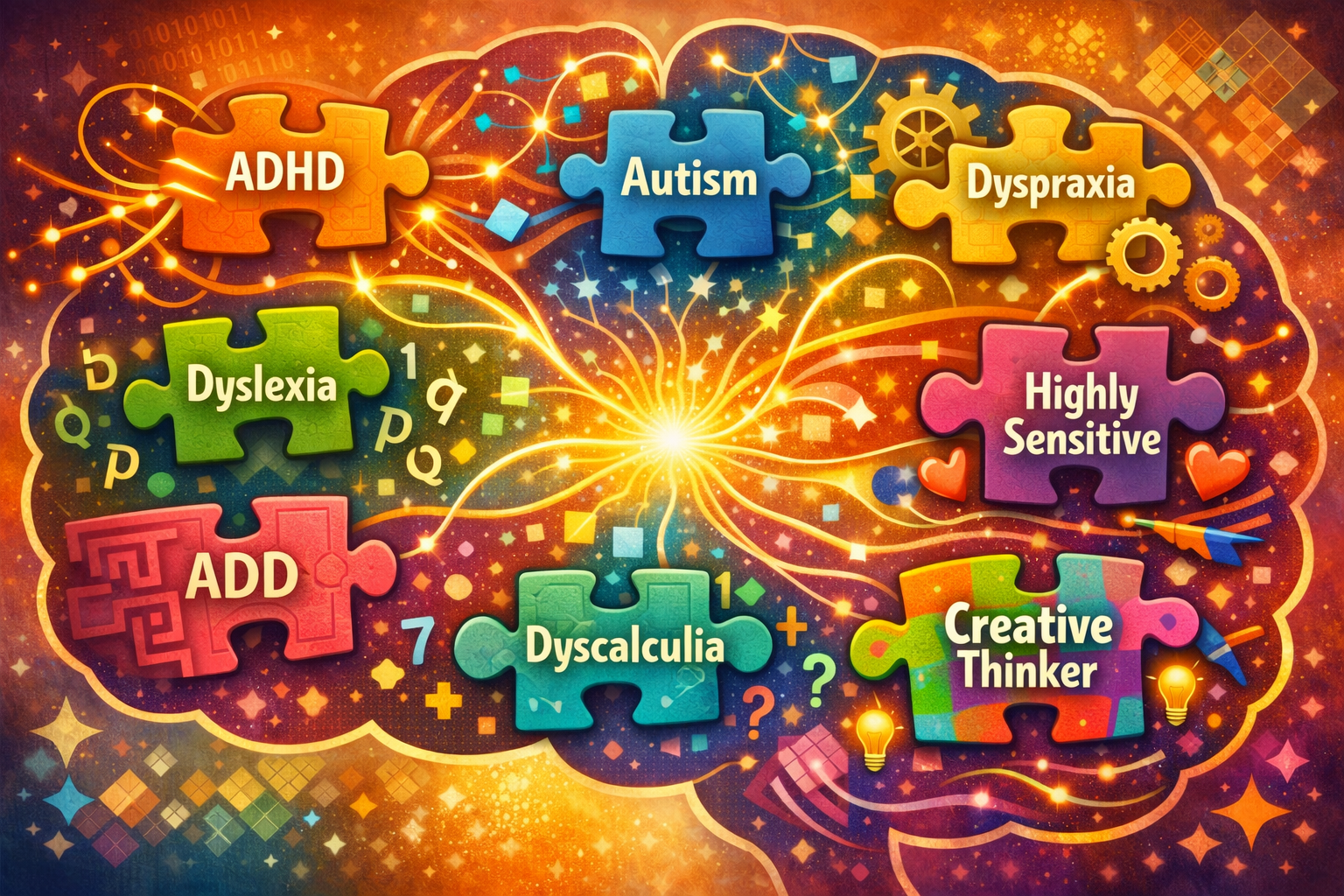
Neurodivergence refers to brain differences that affect how people think, learn, process information, and interact with the world. The term encompasses a wide range of neurological variations that differ from what society considers “typical” brain function.
The concept of neurodiversity recognizes that these differences are part of natural human variation—much like height, eye color, or personality traits. Rather than viewing these differences as disorders or deficits, neurodiversity celebrates the unique strengths and perspectives that come with different ways of thinking.
How Brains Function Differently
Every brain develops and operates uniquely, but some patterns of difference are more pronounced. These variations can affect:
- Information processing speed 🧠
- Attention and focus patterns
- Sensory sensitivity levels
- Social communication preferences
- Learning and memory styles
Common Neurodivergent Conditions
Several well-recognized conditions fall under the neurodivergence umbrella:
| Condition | Key Characteristics |
|---|---|
| ADHD | Differences in attention, hyperactivity, and impulse control |
| Autism | Unique social communication styles and sensory processing |
| Dyslexia | Different approaches to reading and language processing |
| Dyspraxia | Variations in motor coordination and planning |
| Tourette’s Syndrome | Involuntary tics and movements |
| OCD | Repetitive thoughts and behaviors |
Understanding these conditions helps create better support systems and reduces misconceptions about how different brains process information.
Who Are People With Neurodivergence?
People with neurodivergence are individuals whose brains process information, emotions, and sensory input differently from the majority of the population. They represent a significant portion of our communities—estimates suggest that 15-20% of people have some form of neurodivergence.
Neurodivergence Across All Demographics
Neurodivergent individuals can be found in every:
- Age group (from children to seniors)
- Profession and industry
- Educational background
- Cultural and ethnic community
- Socioeconomic level
Natural Human Variation
It’s crucial to understand that neurodivergence represents natural diversity in human cognition. Just as people have different physical characteristics, brains naturally develop and function in various ways. This diversity has likely contributed to human survival and advancement throughout history.
“Neurodivergence isn’t something that needs to be ‘cured’ or ‘fixed’—it’s a different way of experiencing and interacting with the world that brings unique value and perspective.”
Many neurodivergent individuals may not even realize their differences until later in life, having developed coping strategies that mask their natural thinking patterns.
Common Traits Among People With Neurodivergence
While every neurodivergent person is unique, certain patterns of difference appear frequently across various conditions. Understanding these traits helps create more supportive environments and better communication.
Cognitive Differences
Unique Problem-Solving Approaches 🎯
- Thinking “outside the box” comes naturally
- Approaching challenges from unexpected angles
- Finding creative solutions others might miss
Different Attention Patterns
- May hyperfocus intensely on interesting topics
- Difficulty maintaining attention on unstimulating tasks
- Ability to notice details others overlook
Creative Thinking Styles
- Strong visual or conceptual thinking
- Making unusual connections between ideas
- Innovative approaches to routine tasks
Sensory Differences
Many neurodivergent individuals experience the world through heightened or reduced sensitivity to various stimuli:
Common Sensory Experiences:
- Overwhelming responses to loud noises or bright lights
- Difficulty in crowded or chaotic environments
- Strong preferences for specific textures or temperatures
- Enhanced ability to detect subtle changes in environment
These sensory differences can significantly impact daily life and require understanding and accommodation from others.
Social and Communication Differences
Alternative Communication Styles
- Preference for direct, literal communication
- Difficulty with implied meanings or social subtext
- Unique ways of expressing emotions and needs
Different Social Interaction Patterns
- May struggle with traditional social expectations
- Prefer smaller groups or one-on-one interactions
- Value deep, meaningful connections over casual socializing
Understanding these differences can improve social skills and communication for everyone involved.
Strengths Often Associated With Neurodivergence
While society often focuses on challenges, people with neurodivergence frequently possess remarkable strengths that benefit themselves and their communities.
Exceptional Abilities
Creativity and Innovation ✨
- Revolutionary thinking that challenges conventional approaches
- Artistic and creative talents
- Ability to see possibilities others miss
Deep Focus and Expertise
- Capacity for intense concentration on areas of interest
- Development of specialized knowledge and skills
- Persistence in pursuing complex problems
Pattern Recognition
- Exceptional ability to identify trends and connections
- Strong analytical and systematic thinking
- Talent for organizing complex information
Unique Perspectives
- Fresh approaches to old problems
- Questioning assumptions others take for granted
- Valuable insights that drive progress
Memory and Processing Strengths
Many neurodivergent individuals demonstrate:
- Exceptional memory for specific types of information
- Ability to process large amounts of data quickly
- Strong attention to detail and accuracy
These strengths often make neurodivergent individuals valuable contributors in fields like technology, research, arts, and problem-solving roles.
Challenges Some People With Neurodivergence Face
While neurodivergence brings many strengths, it’s important to acknowledge that some individuals face genuine challenges in a world designed for neurotypical thinking patterns.
Executive Function Difficulties
Many neurodivergent people struggle with:
- Time management and organization
- Planning and prioritizing tasks
- Working memory challenges
- Difficulty with transitions and changes
Social and Communication Barriers
Common challenges include:
- Misunderstanding social cues and expectations
- Difficulty navigating workplace politics
- Feeling isolated or misunderstood
- Challenges in building relationships
Sensory Overwhelm
Environmental factors can create significant stress:
- Noisy or chaotic environments
- Fluorescent lighting or strong smells
- Crowded spaces or unexpected changes
- Difficulty filtering sensory input
Mental Health Considerations
The stress of navigating a neurotypical world can lead to:
- Anxiety and depression
- Burnout from masking natural behaviors
- Low self-esteem from repeated misunderstandings
- Difficulty accessing appropriate support
Developing effective brain training strategies and emotional regulation techniques can help address some of these challenges.
The Importance of Support and Accommodation
Creating environments where people with neurodivergence can thrive requires thoughtful support and reasonable accommodations.
Educational Accommodations
Effective school supports include:
- Extended time for tests and assignments
- Quiet spaces for focused work
- Alternative ways to demonstrate knowledge
- Clear, structured instructions and expectations
- Sensory-friendly classroom environments
Workplace Adjustments
Successful workplace accommodations:
- Flexible scheduling and remote work options
- Noise-canceling headphones or quiet workspaces
- Written instructions and clear communication
- Regular check-ins and feedback
- Task modification based on individual strengths
Creating Accessible Environments
Universal design principles benefit everyone:
- Clear signage and navigation
- Reduced sensory overwhelming elements
- Multiple ways to access information
- Flexible seating and workspace options
Building Supportive Communities
Strong support networks include:
- Peer support groups and mentorship
- Family education and involvement
- Professional guidance and therapy
- Online communities and resources
Misconceptions About People With Neurodivergence
Despite growing awareness, several harmful misconceptions persist about neurodivergent individuals.
Myth: Neurodivergence Always Needs “Fixing”
Reality: Neurodivergence represents natural human variation. While some individuals may benefit from support or therapy for specific challenges, the goal should be helping people thrive as they are, not changing their fundamental nature.
Myth: Behaviors Indicate Laziness or Lack of Discipline
Reality: What appears as laziness or defiance often reflects genuine neurological differences in processing, attention, or executive function. Understanding these differences leads to better support strategies.
Myth: Neurodivergent People Can’t Succeed
Reality: With appropriate support and understanding, neurodivergent individuals achieve success in every field imaginable. Many innovations and breakthroughs come from neurodivergent thinking.
Myth: All Neurodivergent People Are the Same
Reality: Neurodivergence encompasses a wide spectrum of experiences and abilities. Each person has unique strengths, challenges, and support needs.
How Society Is Becoming More Neurodiversity-Aware
The landscape for people with neurodivergence has improved dramatically, with 2026 bringing unprecedented awareness and acceptance.
Increased Advocacy and Education
- Growing neurodiversity advocacy movements
- Better training for educators and employers
- Improved diagnostic tools and understanding
- More research into neurodivergent experiences
Workplace Inclusion Efforts
Progressive companies are implementing:
- Neurodiversity hiring initiatives
- Inclusive interview processes
- Mentorship and support programs
- Accommodation policies and training
Educational Innovations
Schools are developing:
- Individualized learning approaches
- Sensory-friendly environments
- Strength-based teaching methods
- Better support for transitions
Growing Public Awareness
Media representation and public education have increased understanding of:
- The value of neurodivergent perspectives
- The importance of inclusion and accommodation
- Success stories and positive role models
- The business case for neurodiversity
How to Support People With Neurodivergence
Everyone can contribute to creating a more inclusive environment for neurodivergent individuals.
Practice Patience and Understanding
- Recognize that different doesn’t mean wrong
- Ask questions rather than making assumptions
- Be flexible in communication styles
- Allow extra time for processing when needed
Encourage Strengths and Interests
- Focus on what people do well
- Support passionate interests and hobbies
- Provide opportunities to use natural talents
- Celebrate unique perspectives and contributions
Provide Clear Communication
Effective communication strategies:
- Be direct and specific in instructions
- Avoid sarcasm and implied meanings
- Check for understanding regularly
- Offer information in multiple formats
Support Inclusive Environments
- Advocate for accommodations and accessibility
- Challenge stereotypes and misconceptions
- Create sensory-friendly spaces when possible
- Promote neurodiversity awareness and education
Building inner strength and confidence benefits both neurodivergent individuals and their support networks.
Conclusion
Understanding and supporting people with neurodivergence isn’t just about being kind or politically correct—it’s about recognizing the incredible value that different ways of thinking bring to our world. As we move forward in 2026, the growing awareness and acceptance of neurological differences represents a crucial step toward a more inclusive and innovative society.
The key takeaway is that neurodivergence represents natural human diversity that should be celebrated, not stigmatized. By providing appropriate support, creating inclusive environments, and recognizing the unique strengths that neurodivergent individuals bring, we all benefit from the creativity, innovation, and fresh perspectives that emerge from different ways of thinking.
Next Steps for Creating Change
If you’re neurodivergent:
- Connect with supportive communities and resources
- Advocate for your needs and accommodations
- Focus on developing your strengths and interests
- Remember that your perspective has value
If you support someone who’s neurodivergent:
- Listen to their experiences and needs
- Learn about their specific challenges and strengths
- Advocate for inclusive policies and practices
- Celebrate their achievements and contributions
For everyone:
- Challenge misconceptions when you encounter them
- Support neurodiversity-friendly policies in schools and workplaces
- Learn more about different types of neurodivergence
- Practice inclusive communication and behavior
The future belongs to organizations and communities that embrace cognitive diversity. By understanding and supporting people with neurodivergence, we create a world where everyone can contribute their unique gifts and perspectives to solving the complex challenges of our time.


