
For decades, countless women have lived with a nagging sense that something was “different” about them, yet they couldn’t quite put their finger on what it was. They’ve been labeled as “too sensitive,” “anxious,” or “difficult,” when in reality, they were experiencing neurodivergence in women that went completely unrecognized. The truth is, many neurodivergent conditions present differently in women than in men, leading to widespread misdiagnosis or delayed recognition that can persist well into adulthood.
Neurodivergence in women often flies under the radar because diagnostic criteria were historically developed based on how these conditions appear in males. Women and girls frequently develop sophisticated masking strategies that hide their struggles, making it even harder to identify the underlying neurological differences that affect how they process information, regulate emotions, and navigate social situations.
Key Takeaways
• Diagnostic bias: Most neurodivergent conditions were studied primarily in males, leading to missed diagnoses in women who present differently
• Masking behaviors: Women often develop coping strategies that hide their neurodivergent traits, leading to exhaustion and delayed recognition
• Internalized symptoms: Women tend to internalize struggles rather than display external behaviors, making their challenges less visible
• Late-life discovery: Many women don’t receive proper evaluation until their 30s, 40s, or beyond, often after their children are diagnosed
• Co-occurring conditions: Anxiety, depression, and eating disorders frequently mask underlying neurodivergence in women
What Is Neurodivergence?
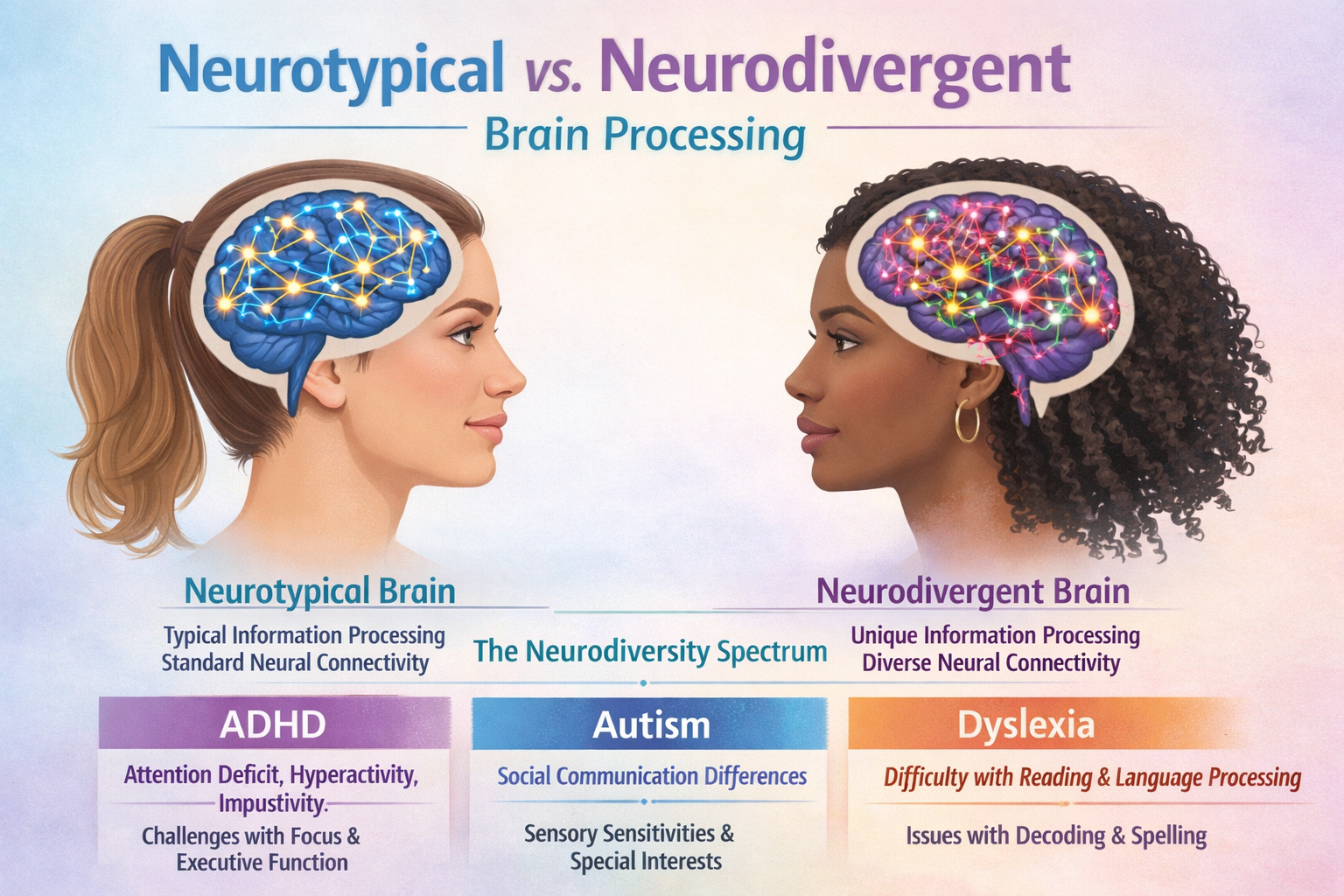
Neurodivergence refers to natural variations in how the brain functions, processes information, and experiences the world. Rather than viewing these differences as deficits or disorders, the neurodiversity movement recognizes them as part of human neurological variation.
The term encompasses several conditions that affect cognitive, social, and sensory processing:
Common Neurodivergent Conditions
- ADHD (Attention Deficit Hyperactivity Disorder): Affects attention, impulse control, and executive function
- Autism Spectrum Disorder: Impacts social communication, sensory processing, and behavioral patterns
- Dyslexia: Affects reading, writing, and language processing
- Dyspraxia: Impacts motor coordination and planning
- OCD (Obsessive-Compulsive Disorder): Involves intrusive thoughts and compulsive behaviors
- Tourette’s Syndrome: Characterized by involuntary tics and vocalizations
Understanding these conditions through a neurodiversity lens helps reduce stigma and promotes acceptance of different ways of thinking and being. For those wondering about their own experiences, exploring whether you might be neurodivergent without knowing it can be an important first step.
Why Neurodivergence Is Often Missed in Women
The gender gap in neurodivergent diagnoses stems from several systemic issues that have persisted for decades. Understanding these barriers is crucial for recognizing neurodivergence in women and ensuring proper support.
Historical Diagnostic Bias
Research on neurodivergent conditions was predominantly conducted on boys and men, creating diagnostic criteria that reflect male presentations. This means that when women and girls present differently—which they often do—their symptoms may not match the established checklist.
Social Expectations and Gender Roles
Girls are often socialized to be:
- Compliant and quiet 🤫
- People-pleasers
- Emotionally regulated
- Socially aware
These expectations can mask neurodivergent traits or cause girls to suppress behaviors that might otherwise signal the need for evaluation.
Masking and Compensatory Behaviors
Women frequently develop sophisticated coping mechanisms that hide their struggles. This masking can include:
- Mimicking social behaviors they’ve observed
- Over-preparing for social situations
- Suppressing stimming behaviors
- Working twice as hard to appear “normal”
Internalization vs. Externalization
While boys with neurodivergent conditions often display disruptive or hyperactive behaviors that draw attention, girls tend to internalize their struggles. They may appear:
- Daydreamy or “spacey”
- Anxious or withdrawn
- Perfectionist or overly conscientious
- Emotionally sensitive
These internalized presentations are less likely to be flagged by teachers, parents, or healthcare providers, leading to missed opportunities for early identification and support.
Common Symptoms of Neurodivergence in Women
Recognizing neurodivergence in women requires understanding how symptoms manifest differently across emotional, cognitive, and social domains. Many women experience a constellation of signs that, when viewed together, point to underlying neurological differences.
Emotional and Psychological Signs
Chronic Anxiety 😰
Many neurodivergent women live with persistent anxiety that seems disproportionate to their circumstances. This anxiety often stems from:
- Constant effort to mask or camouflage differences
- Sensory overwhelm in everyday environments
- Difficulty predicting social outcomes
- Executive function challenges creating daily stress
Feeling Overwhelmed Easily
Simple tasks that others handle effortlessly can feel monumentally challenging. This might include:
- Managing multiple commitments simultaneously
- Processing too much sensory input
- Making decisions when faced with many options
- Transitioning between activities or environments
Emotional Intensity
Neurodivergent women often experience emotions more intensely than their neurotypical peers. This can manifest as:
- Strong reactions to seemingly minor events
- Difficulty regulating emotional responses
- Deep empathy that becomes overwhelming
- Rejection sensitivity that feels devastating
Persistent Self-Doubt
Many women develop chronic impostor syndrome, constantly questioning their abilities and achievements. This often results from years of struggling with tasks others find easy, leading to internalized beliefs about being “broken” or “not good enough.”
Cognitive and Executive Function Signs
Difficulty Organizing Tasks 📝
Executive function challenges can make daily life feel chaotic:
- Struggling to break large projects into manageable steps
- Difficulty prioritizing competing demands
- Challenges with planning and time estimation
- Problems maintaining organized systems
Time Blindness
Many neurodivergent women struggle with time perception:
- Consistently underestimating how long tasks will take
- Difficulty arriving places on time despite best efforts
- Losing track of time when engaged in preferred activities
- Struggling to maintain schedules and routines
Mental Fatigue
The constant effort required to navigate a neurotypical world can be exhausting:
- Feeling drained after social interactions
- Needing significant downtime to recharge
- Cognitive exhaustion from masking behaviors
- Difficulty functioning when overwhelmed
For those experiencing these challenges, learning effective time management strategies can provide valuable support.
Social and Communication Signs
Feeling Different or Out of Place 👥
Many neurodivergent women describe a lifelong sense of being “different” without understanding why:
- Feeling like an outsider in social groups
- Struggling to connect with peers during childhood and adolescence
- Sensing that others have an “instruction manual” for social situations that they never received
Rehearsing Conversations Mentally
Social interactions may require significant preparation:
- Planning what to say before phone calls or meetings
- Replaying conversations afterward to analyze what went wrong
- Scripting responses for common social situations
- Anxiety about spontaneous social interactions
Deep but Limited Friendships
Rather than maintaining large social circles, many neurodivergent women prefer:
- A few close, meaningful relationships
- Friendships based on shared interests or values
- Difficulty with superficial social connections
- Preference for one-on-one interactions over group settings
Developing stronger social skills can help neurodivergent women navigate social challenges more effectively.
Sensory Sensitivities
Heightened Sensory Awareness 👂👁️
Many women experience the world more intensely through their senses:
- Auditory sensitivity: Difficulty filtering background noise, distraction by sounds others ignore
- Visual sensitivity: Overwhelm from bright lights, busy patterns, or cluttered environments
- Tactile sensitivity: Discomfort with certain clothing textures, tags, or unexpected touch
- Olfactory sensitivity: Strong reactions to perfumes, cleaning products, or food smells
Overstimulation in Busy Environments
Crowded or chaotic environments can become quickly overwhelming:
- Shopping malls, restaurants, or parties feeling unbearable
- Need to leave social events early due to sensory overload
- Physical symptoms like headaches or nausea in overstimulating environments
Masking: A Common Experience for Neurodivergent Women
Masking represents one of the most significant factors in why neurodivergence in women often goes unrecognized. This adaptive behavior involves consciously or unconsciously hiding neurodivergent traits to fit in with social expectations.
What Masking Looks Like
Masking behaviors can include:
- Social mimicry: Copying facial expressions, body language, and conversation patterns from others
- Scripting: Preparing responses for social situations in advance
- Suppressing stimming: Hiding self-regulatory behaviors like hand-flapping, rocking, or fidgeting
- Forcing eye contact: Making eye contact despite discomfort to appear “normal”
- People-pleasing: Agreeing with others to avoid conflict, even when it goes against personal preferences
The Hidden Cost of Masking
While masking can help women navigate social and professional situations, it comes with significant costs:
Physical Exhaustion 😴
- Constant vigilance about behavior is mentally and physically draining
- Many women describe feeling exhausted after social interactions
- Need for extended recovery time after masking-heavy situations
Loss of Authentic Self
- Difficulty identifying genuine preferences and interests
- Confusion about personal identity after years of mimicking others
- Feeling disconnected from one’s true self
Increased Mental Health Challenges
The stress of masking can contribute to:
- Anxiety disorders
- Depression
- Burnout
- Low self-esteem
Understanding the importance of self-care and self-discovery becomes crucial for women learning to unmask safely.
Co-Occurring Conditions in Neurodivergent Women
Neurodivergence in women rarely exists in isolation. Many women experience multiple co-occurring conditions that can complicate diagnosis and treatment. Understanding these connections is essential for comprehensive care.
Common Co-Occurring Conditions
Anxiety Disorders 😨
- Generalized anxiety disorder
- Social anxiety disorder
- Panic disorder
- Often develops as a result of masking and sensory overwhelm
Depression
- May result from years of feeling “different” or misunderstood
- Can develop from chronic stress of masking
- Often improves with proper neurodivergent support
Eating Disorders
- Higher rates among neurodivergent women
- May relate to sensory issues with food
- Can be a form of control when other areas feel chaotic
- Rigid thinking patterns may contribute to disordered eating
Sleep Disorders
- Difficulty with sleep regulation
- Sensory sensitivities affecting sleep environment
- Racing thoughts preventing rest
- Irregular sleep-wake cycles
Chronic Fatigue
- Physical exhaustion from masking and overstimulation
- Difficulty with energy regulation
- Need for more recovery time than neurotypical peers
For those struggling with overwhelming feelings, learning how to let go of negativity can be particularly helpful.
Recognizing Neurodivergence in Adult Women
Many women don’t recognize their neurodivergence until adulthood, often triggered by their children’s diagnoses or major life transitions. Understanding adult presentations is crucial for late-life recognition.
Common Adult Presentations
Chronic Overwhelm 🌊
- Feeling constantly behind or struggling to keep up
- Difficulty managing household responsibilities
- Overwhelm from parenting demands
- Challenges balancing work and personal life
Relationship Patterns
- Difficulty maintaining friendships
- Challenges with romantic relationships
- Feeling misunderstood by partners
- Social isolation or withdrawal
Career Challenges
- Difficulty with office politics or workplace social dynamics
- Struggles with time management and organization
- Feeling like an impostor despite competence
- Burnout from masking in professional environments
Parenting Triggers
Many women recognize their own neurodivergence when:
- Their children are evaluated or diagnosed
- Parenting demands exceed their coping abilities
- They struggle with typical parenting approaches
- School systems highlight their children’s differences
The Relief of Recognition
For many women, understanding their neurodivergence brings:
- Validation of lifelong struggles
- Self-compassion replacing self-criticism
- Better coping strategies tailored to their needs
- Community with other neurodivergent individuals
Learning to eliminate negative thought patterns becomes especially important during this period of self-discovery.
The Importance of Proper Evaluation
Seeking professional evaluation for suspected neurodivergence in women can be life-changing, providing clarity, validation, and access to appropriate support strategies.
Benefits of Professional Assessment
Clarity and Understanding 💡
- Explanation for lifelong struggles and differences
- Understanding of personal strengths and challenges
- Framework for making sense of past experiences
Access to Support
- Workplace accommodations
- Educational support if returning to school
- Therapeutic interventions tailored to neurodivergent needs
- Medication options when appropriate
Reduced Self-Blame
- Understanding that struggles aren’t due to personal failings
- Recognition of the extra effort required to navigate neurotypical environments
- Validation of exhaustion and overwhelm
Finding the Right Professional
Look for healthcare providers who:
- Have experience with adult women and neurodivergence
- Understand how conditions present differently in females
- Take a comprehensive, holistic approach
- Respect the neurodiversity perspective
Preparing for Evaluation
Gather Information 📋
- Childhood memories and school reports
- Work performance reviews
- Examples of current challenges
- Family history of neurodivergent conditions
Consider Self-Assessment Tools
While not diagnostic, screening tools can help organize thoughts and experiences before professional evaluation.
Support Strategies for Neurodivergent Women
Once neurodivergence in women is recognized, implementing effective support strategies can dramatically improve quality of life and reduce daily struggles.
Creating Supportive Environments
Sensory Regulation 🎧
- Noise-canceling headphones for auditory sensitivity
- Sunglasses or tinted lenses for light sensitivity
- Comfortable clothing without irritating textures
- Creating calm spaces at home for decompression
Organizational Systems
- Visual schedules and reminders
- Breaking large tasks into smaller steps
- Using timers and alerts for time management
- Decluttering physical spaces to reduce overwhelm
Energy Management
- Recognizing personal energy patterns
- Scheduling demanding tasks during peak energy times
- Building in regular rest and recovery periods
- Learning to say no to prevent overcommitment
Therapeutic Support
Specialized Therapy
- Therapists experienced with neurodivergent women
- Cognitive-behavioral therapy adapted for neurodivergent needs
- Support for unmasking safely
- Processing grief related to late diagnosis
Skill Development
- Executive function coaching
- Social skills training if desired
- Stress management techniques
- Communication strategies
Developing emotional intelligence can be particularly beneficial for neurodivergent women navigating social and emotional challenges.
Building Community
Finding Your Tribe 👭
- Online neurodivergent women’s communities
- Local support groups
- Advocacy organizations
- Professional networks for neurodivergent individuals
Educating Others
- Sharing information with family and friends
- Advocating for workplace accommodations
- Contributing to neurodivergent awareness
Self-Advocacy and Empowerment
Understanding neurodivergence in women is just the beginning—learning to advocate for yourself and embrace your neurological differences is an ongoing journey of empowerment.
Developing Self-Advocacy Skills
Know Your Rights ⚖️
- Workplace accommodation laws
- Educational support options
- Healthcare advocacy
- Legal protections against discrimination
Communicate Your Needs
- Practice explaining your neurodivergence to others
- Request specific accommodations
- Set boundaries around energy and sensory needs
- Educate others about neurodiversity
Embracing Neurodivergent Strengths
Many neurodivergent women possess remarkable strengths:
- Intense focus and attention to detail
- Creative problem-solving abilities
- Deep empathy and emotional intelligence
- Pattern recognition and analytical thinking
- Passionate expertise in areas of interest
Recognizing and cultivating these success traits can lead to greater fulfillment and achievement.
Reframing Your Narrative
From Deficit to Difference 🌟
- Viewing neurodivergence as neurological variation, not disorder
- Recognizing that struggles often result from environmental mismatches
- Understanding that accommodations level the playing field
- Celebrating unique perspectives and contributions
Self-Compassion Practice
- Treating yourself with the kindness you’d show a friend
- Recognizing the extra effort required to navigate neurotypical environments
- Forgiving yourself for past struggles and “failures”
- Celebrating small victories and progress
Learning to find inner peace becomes especially important as you navigate this journey of self-discovery and acceptance.
Conclusion
Neurodivergence in women has been overlooked and misunderstood for far too long, leaving countless women struggling without proper support or understanding. The symptoms that are often missed—from chronic overwhelm and masking behaviors to sensory sensitivities and executive function challenges—represent real neurological differences that deserve recognition and accommodation.
If you recognize yourself in these descriptions, know that you’re not alone, and there’s nothing wrong with you. Your brain simply works differently, and understanding this difference can be the key to unlocking better strategies, support systems, and self-compassion.
Take these actionable steps:
- Educate yourself about neurodivergence and how it presents in women
- Consider professional evaluation if symptoms resonate with your experience
- Connect with other neurodivergent women for support and community
- Practice self-advocacy by communicating your needs clearly
- Implement supportive strategies for sensory, emotional, and executive function needs
- Embrace your unique strengths while accommodating your challenges
Remember, recognizing your neurodivergence isn’t about finding something “wrong” with you—it’s about understanding how your amazing brain works so you can live more authentically and successfully. Many women describe their diagnosis as life-changing, finally providing the missing piece that makes everything else make sense.
Your journey toward understanding and embracing your neurodivergent identity is valid, important, and worthy of support. In 2026, we’re seeing unprecedented awareness and acceptance of neurodiversity, creating more opportunities than ever for women to get the recognition and support they deserve.


