
Imagine spending every day carefully watching how others behave, then copying their actions to fit in. Picture rehearsing conversations in your head before speaking, forcing yourself to make eye contact when it feels uncomfortable, or hiding the movements that help you focus. For millions of neurodivergent people, this exhausting performance isn’t a choice—it’s a survival strategy called masking.
Neurodivergence and masking represents one of the most significant challenges facing individuals with neurological differences in 2026. As society becomes more aware of conditions like autism, ADHD, and dyslexia, we’re also discovering the hidden cost of forcing people to appear “normal” in environments that weren’t designed for their unique needs.
Key Takeaways
• Masking is a coping strategy where neurodivergent individuals hide or suppress their natural traits to fit social expectations
• The practice is exhausting and can lead to burnout, anxiety, and loss of authentic self-expression
• Women and girls mask at higher rates due to increased social pressure to conform
• Creating inclusive environments reduces the need for masking and supports authentic expression
• Recognition and acceptance of neurodivergent traits benefits both individuals and society as a whole
What Is Neurodivergence?
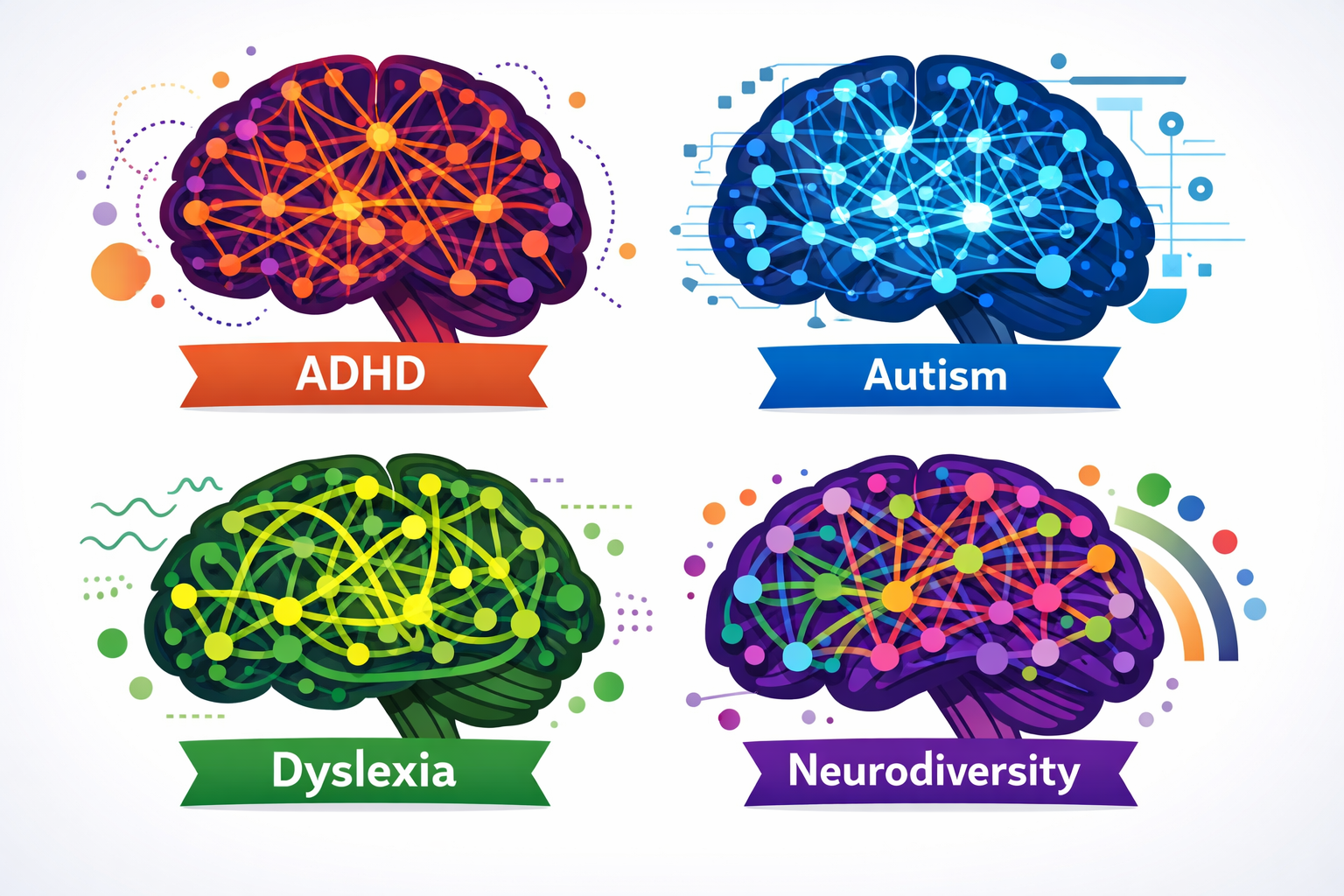
Neurodivergence refers to natural variations in how the brain functions, processes information, and responds to the world. Rather than viewing these differences as deficits, the neurodiversity movement recognizes them as normal variations in human neurological development.
The term encompasses several conditions that affect thinking, learning, communication, and behavior:
Common Neurodivergent Conditions
| Condition | Key Characteristics | Estimated Prevalence |
|---|---|---|
| ADHD | Attention differences, hyperactivity, impulsivity | 5-10% of population |
| Autism | Social communication differences, sensory sensitivities | 1-2% of population |
| Dyslexia | Reading and language processing differences | 10-15% of population |
| Dyspraxia | Coordination and motor planning challenges | 5-6% of population |
| Tourette’s | Involuntary tics and vocalizations | 0.3-0.9% of population |
These neurological differences can manifest in various ways:
- Processing information at different speeds or in unique patterns
- Communicating through alternative styles or methods
- Responding to sensory input with heightened or reduced sensitivity
- Learning through non-traditional approaches
- Focusing attention in ways that differ from neurotypical expectations
Understanding neurodivergence helps explain why traditional environments—designed for neurotypical brains—can feel challenging or overwhelming for many people. This mismatch often leads to the development of masking behaviors as individuals try to navigate spaces that don’t naturally accommodate their needs.
For those wondering about their own neurological differences, exploring whether you might be neurodivergent without knowing it can provide valuable insights into personal experiences and traits.
Understanding Masking in Neurodivergence
Masking, also known as social camouflaging, involves consciously or unconsciously hiding, suppressing, or compensating for neurodivergent traits to appear more neurotypical. This complex behavior develops as individuals learn to navigate social expectations that may not align with their natural ways of being.
The Development of Masking
Masking typically emerges during childhood when neurodivergent individuals notice their natural behaviors receive negative responses. They begin to:
🎭 Observe and imitate the social behaviors of others
🔄 Suppress natural responses that seem to cause problems
📚 Learn social rules through conscious effort rather than intuition
⚡ Develop compensatory strategies to manage challenges
This learned behavior becomes so automatic that many people don’t realize they’re doing it. The constant effort required to maintain this performance, however, takes a significant toll on mental and emotional well-being.
Types of Masking Behaviors
Neurodivergent individuals may engage in various masking strategies:
Social Masking:
- Forcing eye contact during conversations
- Mimicking facial expressions and body language
- Following social scripts for small talk
- Hiding confusion about social cues
Sensory Masking:
- Tolerating uncomfortable lighting or sounds
- Suppressing reactions to textures or smells
- Avoiding requests for accommodations
Communication Masking:
- Speaking in expected tones or volumes
- Hiding processing delays
- Pretending to understand when confused
Behavioral Masking:
- Suppressing stimming or self-regulation movements
- Sitting still when the body needs movement
- Following neurotypical work or study patterns
The relationship between masking and authentic self-expression connects to broader concepts of personal authenticity and the importance of being true to one’s nature.
Why Neurodivergent People Feel Compelled to Mask
The pressure to mask stems from multiple sources, creating a complex web of social, professional, and personal motivations that drive neurodivergent individuals to hide their true traits.
Social Acceptance and Belonging
Fear of judgment represents one of the strongest drivers of masking behavior. Neurodivergent individuals often experience:
- Rejection or exclusion when displaying natural behaviors
- Misunderstanding from others who interpret differences as rudeness or defiance
- Social isolation that reinforces the need to “fit in”
- Bullying or harassment targeting visible differences
Professional and Academic Success
Many environments remain structured around neurotypical expectations, creating pressure to mask in order to:
✅ Succeed in traditional education systems that may not accommodate different learning styles
✅ Advance in careers where neurodivergent traits might be misunderstood
✅ Access opportunities that require conforming to specific behavioral norms
✅ Avoid discrimination in hiring, promotion, or evaluation processes
Cultural and Family Expectations
Societal norms heavily influence masking behaviors through:
- Cultural values that prioritize conformity over individual differences
- Family pressure to appear “normal” or successful
- Gender expectations that particularly impact women and girls
- Generational attitudes about disability and difference
Internalized Beliefs
Over time, external pressure can become internalized, leading to:
- Shame about natural traits and behaviors
- Belief that neurodivergent characteristics are inherently problematic
- Self-criticism for not meeting neurotypical standards
- Identity confusion about authentic versus performed behaviors
Understanding these pressures helps explain why masking persists even in seemingly supportive environments. The behavior becomes so ingrained that individuals may continue masking long after the external pressure diminishes.
This connects to broader patterns of how people hide their authentic selves and the importance of developing inner strength to resist harmful social pressures.
Neurodivergence and Masking Across Different Conditions
While masking occurs across all neurodivergent conditions, it manifests differently depending on the specific traits and challenges associated with each neurological difference.
Masking in Autism Spectrum Conditions
Autistic individuals often engage in sophisticated masking strategies:
Social Camouflaging:
- Learning conversation scripts and social rules through observation
- Forcing eye contact despite discomfort or sensory overload
- Mimicking neurotypical body language and facial expressions
- Suppressing special interests in social settings
Sensory Masking:
- Tolerating overwhelming environments without showing distress
- Hiding meltdowns or shutdowns until reaching private spaces
- Suppressing stimming behaviors that provide regulation
ADHD and Masking Behaviors
People with ADHD frequently mask through:
Attention Compensation:
- Using excessive effort to appear focused during meetings or classes
- Over-organizing to compensate for executive function challenges
- Hiding hyperactivity through socially acceptable fidgeting
Emotional Regulation:
- Suppressing impulsive responses or comments
- Masking rejection sensitivity with apparent confidence
- Hiding the exhaustion that comes from constant self-monitoring
Masking in Learning Differences
Individuals with dyslexia, dyspraxia, and other learning differences may:
- Avoid situations that highlight their challenges
- Develop workarounds that hide processing differences
- Overcompensate in areas of strength to distract from difficulties
- Pretend to understand when information isn’t processed clearly
Gender Differences in Masking
Research shows that women and girls mask at significantly higher rates than men and boys, particularly in autism and ADHD. This occurs due to:
🌸 Stronger social expectations for compliance and people-pleasing
🌸 Better natural observation skills that facilitate mimicking behaviors
🌸 Different presentation of neurodivergent traits that may be overlooked
🌸 Cultural pressure to be accommodating and socially skilled
This gender difference in masking contributes to later diagnosis rates for women and girls, as their neurodivergent traits remain hidden longer.
The connection between masking and social anxiety is particularly relevant, as many neurodivergent individuals develop anxiety around social situations due to the constant pressure to perform neurotypical behaviors.
The Hidden Costs: Emotional and Mental Impact of Masking
While masking may provide short-term social benefits, the long-term costs to mental health and well-being are substantial and far-reaching.
Physical and Mental Exhaustion
Constant self-monitoring requires enormous cognitive resources, leading to:
- Chronic fatigue from maintaining performance throughout the day
- Difficulty relaxing even in private spaces
- Sleep problems as the brain struggles to “turn off” hypervigilance
- Physical symptoms like headaches, muscle tension, and digestive issues
Emotional Consequences
The psychological impact of masking includes:
💔 Loss of authentic identity as the line between real and performed self blurs
💔 Increased anxiety about being “found out” or making mistakes
💔 Depression stemming from feeling fundamentally unacceptable
💔 Anger and resentment about having to hide natural traits
Autistic Burnout and ADHD Burnout
Extended masking can lead to condition-specific burnout:
Autistic Burnout:
- Complete loss of coping skills and increased sensory sensitivity
- Regression in previously mastered abilities
- Inability to mask or function in demanding environments
ADHD Burnout:
- Executive function collapse and increased emotional dysregulation
- Loss of motivation and ability to manage daily tasks
- Heightened rejection sensitivity and social withdrawal
Impact on Relationships
Masking affects personal connections through:
- Difficulty forming authentic relationships when others only know the masked version
- Exhaustion in social settings that limits relationship depth
- Fear of intimacy due to concerns about acceptance of the real self
- Communication barriers when natural expression is suppressed
Long-term Mental Health Effects
Research indicates that chronic masking correlates with:
- Higher rates of anxiety disorders and depression
- Increased suicidal ideation particularly among autistic individuals
- Substance abuse as a coping mechanism for stress
- Eating disorders and self-harm behaviors
Understanding these costs emphasizes why creating environments that reduce the need for masking is crucial for neurodivergent well-being. The exhaustion from masking can also impact one’s ability to engage in healthy daily habits that support overall mental health.
Recognizing the Signs of Masking
Identifying masking behaviors—whether in yourself or others—can be challenging since the whole purpose is to appear neurotypical. However, certain patterns and experiences often indicate when someone is suppressing their natural neurodivergent traits.
Personal Signs of Masking
Emotional and Physical Indicators:
- Feeling completely drained after social interactions, even pleasant ones
- Needing extended recovery time alone after work, school, or social events
- Experiencing anxiety or panic about social situations
- Feeling like you’re constantly “performing” rather than being yourself
Behavioral Patterns:
- Rehearsing conversations or responses before social interactions
- Copying others’ mannerisms, speech patterns, or interests
- Suppressing natural movements, sounds, or expressions
- Avoiding situations where you might stand out or be noticed
Cognitive Signs:
- Constant self-monitoring and analysis of your behavior
- Difficulty identifying your genuine preferences or opinions
- Feeling confused about your “real” personality
- Mental exhaustion from decision-making in social contexts
Observable Signs in Others
Social Interactions:
- Seeming “scripted” or overly formal in conversation
- Delayed responses as if processing appropriate reactions
- Sudden personality changes between different environments
- Apparent discomfort despite attempting to appear relaxed
Energy Patterns:
- Noticeable fatigue after social or professional interactions
- Withdrawal or irritability following demanding social periods
- Difficulty maintaining consistent energy levels throughout the day
The process of recognizing masking behaviors often connects to developing greater self-awareness and understanding personal patterns of behavior and energy.
Reducing the Need for Masking: Strategies and Support
Creating space for authentic expression requires both individual strategies and environmental changes that support neurodivergent ways of being.
Personal Strategies for Authentic Expression
Gradual Unmasking:
- Start by reducing masking behaviors in safe, private spaces
- Identify trusted individuals with whom you can be more authentic
- Practice expressing genuine reactions and preferences in low-stakes situations
- Gradually expand authentic expression to wider circles
Self-Understanding and Acceptance:
- Learn about your specific neurodivergent traits and needs
- Identify which behaviors are natural versus learned masking responses
- Practice self-compassion when authentic expression feels uncomfortable
- Develop language to explain your differences to others
Energy Management:
- Schedule recovery time after demanding social or professional interactions
- Identify your optimal environments and seek them out when possible
- Learn to recognize early signs of masking-related exhaustion
- Develop healthy coping strategies for unavoidable masking situations
Building Supportive Environments
At Home:
- Create sensory-friendly spaces that support natural regulation
- Establish routines that honor neurodivergent needs
- Practice open communication about differences and accommodations
In Relationships:
- Share information about neurodivergence with trusted friends and family
- Ask for specific support rather than expecting others to guess needs
- Set boundaries around masking expectations in personal relationships
Professional Settings:
- Research company culture and neurodiversity policies before job changes
- Consider disclosure when it might lead to helpful accommodations
- Seek out neurodivergent-friendly employers or create supportive networks
The journey toward authentic expression often involves learning to love yourself again and accepting aspects of yourself that society may have taught you to hide.
How Society Can Support Neurodivergent Authenticity
Creating truly inclusive environments requires systemic changes that go beyond individual accommodation to embrace neurodiversity as valuable human variation.
Educational System Changes
Classroom Modifications:
- Flexible seating options and movement breaks
- Multiple ways to demonstrate learning and knowledge
- Sensory considerations in classroom design
- Training for educators about neurodivergent learning styles
Social Environment:
- Anti-bullying programs that specifically address neurodivergent differences
- Peer education about neurological diversity
- Celebration of different communication and interaction styles
Workplace Inclusion
Structural Accommodations:
- Flexible work arrangements and scheduling options
- Quiet spaces and sensory-friendly environments
- Clear communication about expectations and procedures
- Recognition of diverse productivity patterns and work styles
Cultural Changes:
- Leadership training about neurodiversity and inclusion
- Employee resource groups for neurodivergent individuals
- Hiring practices that don’t penalize different communication styles
- Performance evaluation systems that recognize diverse strengths
Community and Social Support
Public Spaces:
- Sensory-friendly hours at stores, museums, and entertainment venues
- Clear signage and predictable layouts
- Acceptance of different behavioral expressions and communication styles
Healthcare and Services:
- Provider training about neurodivergent presentation and needs
- Accessible communication methods and appointment structures
- Recognition that masking may hide symptoms or distress
Media and Representation
Authentic Portrayals:
- Neurodivergent characters created with community input
- Diverse representation across different conditions and demographics
- Focus on strengths and contributions rather than deficits
- Challenging stereotypes and misconceptions
These societal changes support the development of environments where people can express their authentic traits without fear of judgment or exclusion.
Conclusion
Neurodivergence and masking represents one of the most significant challenges facing millions of individuals who navigate a world designed for neurotypical brains. The exhausting performance of appearing “normal” comes at tremendous personal cost—chronic fatigue, anxiety, loss of authentic identity, and disconnection from genuine self-expression.
Yet understanding masking also opens pathways to change. As awareness grows about the hidden struggles of neurodivergent individuals, opportunities emerge to create more inclusive environments where people can express their authentic selves without fear of judgment or exclusion.
The journey toward reducing masking requires effort from both individuals and society. Neurodivergent people benefit from developing self-awareness, building supportive relationships, and gradually practicing authentic expression in safe spaces. Meanwhile, communities, schools, and workplaces can implement changes that honor neurological diversity and reduce the pressure to conform to narrow behavioral expectations.
Take Action Today:
- If you’re neurodivergent: Start small by identifying one safe space where you can reduce masking behaviors
- If you’re neurotypical: Educate yourself about neurodiversity and examine your own assumptions about “normal” behavior
- In your community: Advocate for inclusive practices in schools, workplaces, and public spaces
- As an ally: Listen to neurodivergent voices and support their calls for acceptance and accommodation
The goal isn’t to eliminate all masking—sometimes it remains a useful tool for navigating challenging environments. Instead, the aim is creating a world where masking becomes a choice rather than a survival necessity, where neurodivergent individuals can access their full potential without sacrificing their authentic selves.
True inclusion happens when we recognize that neurological diversity strengthens our communities, bringing unique perspectives, innovative solutions, and valuable contributions that benefit everyone. By supporting authentic expression and reducing the need for masking, we create space for all minds to thrive.


