
The human brain is a marvel of complexity, with each person’s neural wiring creating a unique cognitive fingerprint. As our understanding of brain differences grows in 2026, a fascinating question emerges that challenges traditional views of intelligence and neurological diversity: Is giftedness a neurodivergence? This debate has captured the attention of educators, psychologists, and researchers worldwide, sparking conversations about how we define and support different types of minds.
The answer isn’t as straightforward as you might think. While some experts argue that gifted individuals display neurological differences that warrant inclusion in the neurodivergent community, others maintain that giftedness represents a distinct category of cognitive variation. This ongoing discussion has profound implications for education, support systems, and how we understand the beautiful spectrum of human intelligence.
Key Takeaways
• Neurodivergence refers to natural variations in brain function that affect learning, behavior, and perception, traditionally including conditions like ADHD, autism, and dyslexia
• Giftedness involves advanced cognitive processing, rapid learning, and unique characteristics that may mirror some neurodivergent traits
• The debate centers on whether giftedness represents a neurological difference worthy of neurodivergent classification or a separate form of cognitive variation
• Twice-exceptional (2e) individuals are gifted people who also have diagnosed neurodivergent conditions, highlighting the complexity of brain differences
• Understanding this debate helps create better support systems for diverse learners and challenges traditional educational approaches
What Is Neurodivergence?
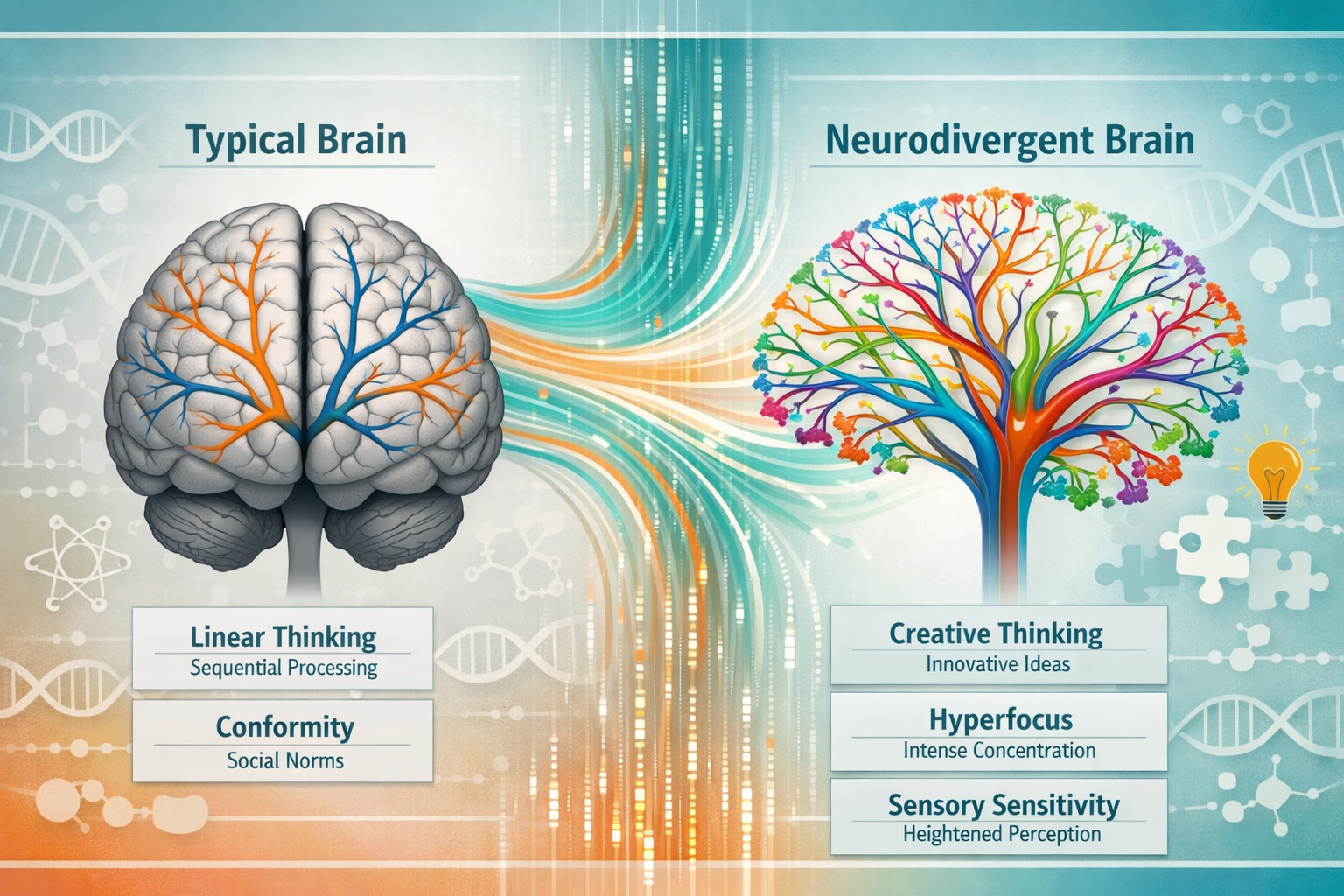
Neurodivergence describes natural variations in how the human brain functions, processes information, and interacts with the world. Coined by sociologist Judy Singer in the late 1990s, the term embraces the concept that neurological differences are normal variations rather than deficits or disorders.
The neurodiversity movement recognizes that brains work differently across the population, and these differences can bring unique strengths and perspectives. Common conditions typically included under the neurodivergent umbrella include:
• ADHD (Attention Deficit Hyperactivity Disorder) – Affects focus, impulse control, and activity levels
• Autism Spectrum Disorder – Impacts social communication and includes repetitive behaviors or intense interests
• Dyslexia – Affects reading, writing, and language processing
• Dyspraxia – Impacts coordination and motor planning
• Tourette’s Syndrome – Involves involuntary tics and vocalizations
These neurological differences influence how individuals learn, communicate, and perceive their environment. For many, understanding emotional brain training that makes a difference becomes crucial for developing coping strategies and maximizing their potential.
Neurodivergent individuals often experience the world more intensely, process information differently, and may have exceptional abilities in specific areas while facing challenges in others. This pattern of uneven development is called asynchronous development and plays a key role in the giftedness debate.
Understanding Giftedness: More Than Just High IQ
Giftedness extends far beyond scoring well on intelligence tests. In psychology and education, giftedness refers to exceptional intellectual ability combined with advanced cognitive processing that significantly exceeds typical developmental expectations.
The National Association for Gifted Children defines giftedness as demonstrating outstanding levels of aptitude or competence in one or more domains. These domains include:
🧠 Intellectual Ability – Advanced reasoning, rapid learning, and complex problem-solving
🎨 Creative Thinking – Original ideas, innovative approaches, and artistic expression
📚 Academic Aptitude – Exceptional performance in specific subjects like mathematics or language arts
🎭 Leadership – Natural ability to guide and influence others
🏃 Psychomotor – Outstanding physical and athletic abilities
Gifted individuals often display several key characteristics:
• Rapid Learning – Absorbing new information quickly with minimal repetition
• Deep Curiosity – Asking probing questions and seeking to understand underlying principles
• Intense Focus – Becoming completely absorbed in topics of interest for extended periods
• Advanced Problem-Solving – Approaching challenges with sophisticated strategies
• Heightened Sensitivity – Experiencing emotions, sensory input, or social dynamics more intensely
These traits often emerge early in childhood but can manifest differently across individuals. Some gifted children read before age four, while others show exceptional mathematical reasoning or creative abilities that set them apart from peers.
The Case for Giftedness as Neurodivergence
Advocates for including giftedness under the neurodivergent umbrella point to compelling neurological and behavioral evidence. Research using brain imaging technology reveals that gifted individuals often show distinct patterns of neural activity and brain structure compared to the general population.
Neurological Differences 🧠
Studies indicate that gifted brains may process information differently through:
- Enhanced connectivity between brain regions
- Increased neural efficiency in problem-solving tasks
- Different patterns of brain activation during cognitive challenges
- Variations in white matter structure that affect information processing speed
Unique Learning Patterns
Gifted individuals frequently demonstrate learning characteristics that mirror neurodivergent traits:
• Asynchronous Development – Advanced intellectual abilities paired with typical or delayed development in other areas
• Intense Interests – Deep, consuming fascination with specific topics that can last for months or years
• Sensory Sensitivities – Heightened responses to sounds, textures, lights, or emotional stimuli
• Social Differences – Feeling disconnected from age-peers due to different interests or thinking patterns
Many gifted individuals report feeling fundamentally different from their peers throughout their lives. This sense of being “wired differently” aligns with the neurodivergent experience of navigating a world designed for neurotypical minds.
The concept of overexcitabilities, developed by psychologist Kazimierz Dabrowski, describes heightened responses in five areas commonly seen in gifted individuals: psychomotor, sensual, intellectual, imaginational, and emotional. These intensities can significantly impact daily functioning and social interactions, similar to how neurodivergent traits affect individuals.
Why Some Experts Disagree: Is Giftedness a Neurodivergence?
Despite compelling arguments for inclusion, many researchers and clinicians resist classifying giftedness as neurodivergence. Their concerns center on fundamental differences in how these concepts are defined and understood.
Traditional Neurodivergence Definitions 📚
Historically, neurodivergence has focused on developmental or neurological conditions that:
- Appear early in development
- Create significant challenges in daily functioning
- Require specialized support or accommodations
- Involve clear diagnostic criteria
Giftedness, critics argue, doesn’t fit this framework because it typically represents an advantage rather than a challenge requiring remediation.
Intelligence vs. Neurological Condition
Many psychologists view giftedness as a variation of normal intelligence rather than a distinct neurological condition. From this perspective:
• Giftedness exists on a continuum of intellectual ability
• High intelligence doesn’t necessarily indicate neurological difference
• Cognitive advantages differ fundamentally from neurological challenges
• Traditional support needs focus on enrichment rather than accommodation
Definitional Challenges
The debate often centers on how broadly we define neurodivergence. Some argue that expanding the term too widely dilutes its meaning and potentially reduces resources for individuals with diagnosed conditions who need specific support.
Others worry that medicalizing giftedness could pathologize what should be celebrated as exceptional ability. This concern reflects broader tensions about how society views and supports different types of minds.
Shared Traits: Where Giftedness and Neurodivergence Intersect
Regardless of definitional debates, gifted individuals often experience traits commonly associated with neurodivergent conditions. Understanding these overlaps helps explain why the question “Is giftedness a neurodivergence?” generates such passionate discussion.
Intense Focus and Special Interests 🔍
Both gifted and neurodivergent individuals frequently display:
- Hyperfocus on preferred topics or activities
- Difficulty shifting attention away from interests
- Encyclopedic knowledge in specific areas
- Resistance to interruption during focused work
Sensory and Emotional Intensity
Many report heightened sensitivity to:
- Environmental stimuli (sounds, lights, textures)
- Emotional experiences and social dynamics
- Injustice or moral inconsistencies
- Criticism or perceived failure
These sensitivities can enhance creativity and empathy while also creating challenges in typical environments. Learning about cognitive brain training can help individuals develop strategies to manage overwhelming sensory input.
Social Differences and Isolation 👥
Both populations often experience:
- Feeling misunderstood by peers
- Difficulty finding like-minded companions
- Advanced thinking that creates communication gaps
- Preference for older companions or adult conversation
Asynchronous Development
This hallmark of giftedness involves uneven development across different areas:
| Area | Gifted Development Pattern |
|---|---|
| Intellectual | Significantly advanced |
| Emotional | May lag behind intellectual development |
| Physical | Often typical for chronological age |
| Social | Can be advanced or delayed |
This uneven pattern creates unique challenges that mirror the complex profiles often seen in neurodivergent individuals.
Twice-Exceptional (2e): When Giftedness Meets Neurodivergence
The concept of twice-exceptional or 2e individuals provides crucial insight into the giftedness-neurodivergence debate. These are people who are both intellectually gifted and have a diagnosed neurodivergent condition such as ADHD, autism, or dyslexia.
2e individuals demonstrate that giftedness and neurodivergence can coexist, creating complex profiles that challenge traditional educational and support approaches. Common combinations include:
• Gifted + ADHD – Exceptional creativity and problem-solving paired with attention and executive function challenges
• Gifted + Autism – Advanced intellectual abilities combined with social communication differences and sensory sensitivities
• Gifted + Dyslexia – Strong verbal reasoning and conceptual thinking alongside reading and writing difficulties
These individuals often face unique challenges because their gifts can mask their disabilities, while their disabilities can hide their exceptional abilities. Teachers and parents may struggle to understand how someone can be simultaneously advanced and struggling.
The 2e population highlights why understanding brain exercises that boost cognitive function becomes essential for supporting complex learners who need both enrichment and accommodation.
Challenges Faced by Gifted Individuals
Whether or not giftedness qualifies as neurodivergence, gifted individuals often face significant challenges that impact their well-being and development. Recognizing these difficulties helps explain why some advocate for including giftedness in neurodivergent frameworks.
Educational Boredom and Underachievement 📚
Traditional educational systems often fail to meet gifted learners’ needs:
- Repetitive curriculum that doesn’t challenge advanced abilities
- Lack of acceleration or enrichment opportunities
- Pressure to conform to age-based expectations
- Underachievement due to lack of intellectual stimulation
Social and Emotional Challenges 😔
Many gifted individuals struggle with:
- Perfectionism and fear of failure
- Imposter syndrome despite obvious abilities
- Difficulty finding intellectual peers
- Feeling responsible for solving complex problems
- Intense emotional responses to global issues
Misunderstanding and Misdiagnosis
Gifted traits can be misinterpreted as:
- ADHD (due to boredom-related inattention)
- Oppositional behavior (when questioning authority)
- Social anxiety (when preferring intellectual over social activities)
- Learning disabilities (when asynchronous development creates gaps)
These challenges often require specialized support and understanding, similar to what neurodivergent individuals need. Developing emotional intelligence becomes particularly important for gifted individuals navigating these complex social and emotional landscapes.
Why This Debate Matters: Implications for Support and Understanding
The question “Is giftedness a neurodivergence?” extends beyond academic classification to real-world implications for education, support services, and social understanding.
Educational Policy and Resources 🏫
How we classify giftedness affects:
- Funding for gifted education programs
- Teacher training requirements
- Availability of specialized services
- Legal protections and accommodations
Access to Support Services
Classification influences whether gifted individuals can access:
- Counseling services for unique challenges
- Peer support groups
- Workplace accommodations
- Mental health resources tailored to their needs
Social Acceptance and Understanding
Broader recognition of gifted challenges could:
- Reduce stigma around struggling despite high ability
- Increase empathy for gifted individuals’ experiences
- Promote acceptance of different learning styles
- Challenge myths about giftedness being purely advantageous
Research and Intervention Development
Clearer understanding drives:
- Better assessment tools and identification methods
- More effective intervention strategies
- Improved support for families and educators
- Enhanced transition services for gifted adults
Supporting Diverse Learners: Practical Approaches
Regardless of how we categorize giftedness, all learners benefit from environments that recognize and support cognitive diversity. Effective approaches include:
Creating Intellectually Stimulating Environments 🌟
• Provide opportunities for deep exploration of interests
• Offer choices in learning topics and methods
• Encourage questioning and critical thinking
• Connect learning to real-world applications
Supporting Social-Emotional Development
• Validate intense emotions and sensitivities
• Teach coping strategies for perfectionism
• Facilitate connections with intellectual peers
• Address imposter syndrome and self-doubt
Understanding social intelligence helps gifted individuals navigate complex social dynamics while maintaining their authentic selves.
Recognizing Individual Differences
• Assess strengths and challenges across multiple domains
• Provide both enrichment and support as needed
• Avoid one-size-fits-all approaches
• Celebrate diverse expressions of ability
Building Support Networks
• Connect families with resources and communities
• Train educators in gifted characteristics and needs
• Develop mentorship opportunities
• Promote understanding among peers and colleagues
Effective support often involves helping individuals develop strategies to improve focus while honoring their unique cognitive patterns and intense interests.
The Role of Self-Advocacy and Awareness
As the debate continues, gifted individuals increasingly advocate for their own needs and experiences. This self-advocacy movement parallels broader neurodivergent activism and highlights the importance of lived experience in shaping understanding.
Building Self-Awareness 🪞
Gifted individuals benefit from understanding:
- Their unique cognitive patterns and intensities
- How their minds differ from neurotypical processing
- Strategies for managing challenges while leveraging strengths
- The importance of finding their tribe and support community
Advocating for Needs
Effective self-advocacy involves:
- Communicating specific learning and working preferences
- Requesting appropriate challenges and accommodations
- Educating others about gifted experiences and needs
- Challenging misconceptions and stereotypes
Learning about characteristics of self-esteem becomes crucial for gifted individuals who may struggle with perfectionism and imposter syndrome despite their obvious abilities.
Future Directions: Research and Understanding
The question “Is giftedness a neurodivergence?” will likely continue evolving as research advances and our understanding of brain differences deepens. Several areas show promise for future exploration:
Neurological Research 🔬
Advancing brain imaging technology may reveal:
- More precise differences in gifted brain structure and function
- Connections between giftedness and other neurodivergent conditions
- Genetic factors that influence cognitive development
- Environmental influences on exceptional ability expression
Educational Innovation
Future developments might include:
- Personalized learning approaches based on cognitive profiles
- Better identification tools for diverse expressions of giftedness
- Integrated support models for complex learners
- Technology-enhanced enrichment opportunities
Social Understanding
Growing awareness may lead to:
- Reduced stigma around cognitive differences
- Better support for gifted adults in workplace settings
- Improved mental health resources
- Greater acceptance of neurodiversity in all its forms
Conclusion
The question “Is giftedness a neurodivergence?” reveals the complexity of human cognitive diversity and challenges us to think more broadly about how we understand and support different types of minds. While experts continue to debate the classification, what remains clear is that gifted individuals often experience the world differently, face unique challenges, and benefit from specialized understanding and support.
Whether we ultimately include giftedness under the neurodivergent umbrella or maintain it as a separate category, the most important outcome is creating environments where all learners can thrive. This means recognizing that cognitive diversity takes many forms, from traditional neurodivergent conditions to exceptional abilities that create their own set of needs and experiences.
Moving forward, consider these actionable steps:
• Educate yourself about the diverse expressions of cognitive differences and their impacts
• Advocate for inclusive environments that support various learning styles and intensities
• Challenge stereotypes about both giftedness and neurodivergence
• Support research that advances our understanding of brain differences
• Listen to lived experiences of gifted and neurodivergent individuals
The debate about giftedness and neurodivergence ultimately reflects our growing recognition that human minds are beautifully diverse. By embracing this diversity and working to support all learners, we create a world where everyone can reach their full potential, regardless of how their unique brain happens to be wired.
As we continue exploring these questions in 2026 and beyond, the focus should remain on understanding, supporting, and celebrating the full spectrum of human cognitive diversity. Whether gifted individuals are considered neurodivergent or represent a distinct form of cognitive variation, their experiences and needs deserve recognition, respect, and appropriate support.


