
Have you ever wondered why so many people with ADHD also seem to have unusually flexible joints? Or why individuals with autism often report chronic pain and fatigue alongside their neurological differences? The emerging research on hypermobility and neurodivergence is revealing fascinating connections that could change how we understand both conditions. What was once considered a coincidence is now being recognized as a meaningful pattern that affects millions of people worldwide.
The relationship between hypermobility and neurodivergence represents one of the most intriguing areas of modern medical research. As scientists delve deeper into this connection, they’re uncovering shared biological pathways, genetic factors, and overlapping symptoms that suggest these conditions may be more intertwined than previously thought.
Key Takeaways
• Research shows significantly higher rates of neurodivergent conditions (ADHD, autism) in people with hypermobility disorders compared to the general population
• Shared biological factors including connective tissue differences, autonomic nervous system dysfunction, and interoception challenges may explain the overlap
• Common co-occurring conditions include anxiety, POTS, chronic fatigue, and sensory processing differences
• Proper diagnosis requires awareness of both conditions, as many people are misdiagnosed or dismissed
• Holistic management approaches that address both physical and neurological aspects show the most promise for improving quality of life
What Is Hypermobility?
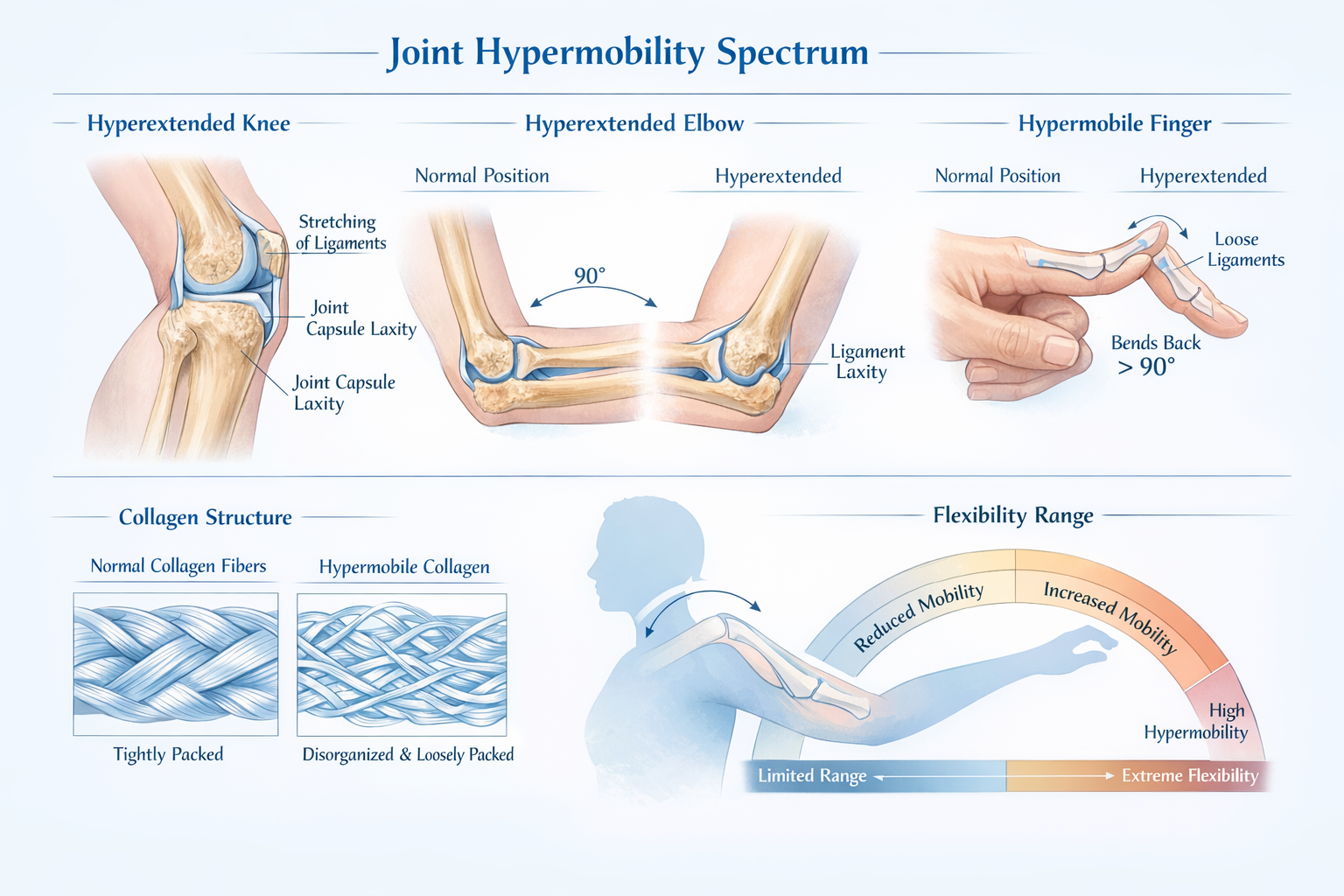
Joint hypermobility refers to the ability to move joints beyond their typical range of motion. While some people might consider this simply being “flexible,” true hypermobility involves significant differences in connective tissue that can impact multiple body systems.
Hypermobility Spectrum Disorders (HSD) and Ehlers-Danlos Syndrome (EDS) represent the clinical conditions associated with problematic hypermobility. These aren’t just about being able to touch your toes easily – they involve complex changes in collagen production and connective tissue structure.
Common Symptoms Include:
- Joint pain and instability 🦴
- Frequent sprains and dislocations
- Chronic fatigue and muscle weakness
- Gastrointestinal issues (gastroparesis, reflux)
- Easy bruising and slow wound healing
- Skin that stretches unusually
- Heart palpitations and dizziness
The key difference between hypermobility and normal flexibility lies in the underlying tissue structure. People with hypermobility conditions have altered collagen – the protein that provides structure to joints, skin, blood vessels, and organs throughout the body.
“Hypermobility isn’t just about flexible joints. It’s a whole-body connective tissue difference that can affect everything from digestion to heart function.” – Leading rheumatologist
What Is Neurodivergence?
Neurodivergence encompasses neurological and cognitive differences that affect how the brain processes information, regulates attention, and interprets sensory input. This strength-based framework recognizes that these differences bring unique abilities alongside challenges.
Common Forms of Neurodivergence:
ADHD (Attention Deficit Hyperactivity Disorder)
- Differences in attention regulation
- Executive function challenges
- Hyperactivity or restlessness
- Creative and innovative thinking patterns
Autism Spectrum Conditions
- Unique communication styles
- Sensory processing differences
- Intense interests and expertise
- Social interaction variations
Dyspraxia
- Motor coordination differences
- Spatial awareness challenges
- Organizational difficulties
- Strong verbal and creative skills
Other Conditions
- Obsessive-Compulsive Disorder (OCD)
- Learning differences (dyslexia, dyscalculia)
- Tourette’s syndrome
The neurodiversity movement emphasizes that these are natural variations in human neurology rather than deficits to be “fixed.” However, understanding the biological underpinnings becomes crucial when these conditions overlap with physical health issues like hypermobility.
For those experiencing mental exhaustion alongside physical symptoms, recognizing this connection can be particularly validating.
The Emerging Research on Hypermobility and Neurodivergence
Recent studies are revealing striking statistical relationships between hypermobility conditions and neurodivergent traits. The numbers are too significant to ignore:
Key Research Findings:
| Condition | Rate in Hypermobile Population | Rate in General Population |
|---|---|---|
| ADHD | 40-50% | 5-7% |
| Autism | 20-30% | 1-2% |
| Anxiety Disorders | 60-70% | 18% |
| Dyspraxia | 30-40% | 5-6% |
These statistics suggest that the relationship between hypermobility and neurodivergence goes far beyond coincidence.
Possible Shared Biological Factors:
Connective Tissue Differences
Collagen abnormalities don’t just affect joints – they impact brain development and neural connectivity. The same proteins that provide structure to ligaments also support neural pathways.
Autonomic Nervous System Involvement
Many people with both conditions experience dysautonomia – dysfunction of the automatic nervous system that controls heart rate, digestion, and temperature regulation.
Interoception Differences
Interoception is the ability to sense internal body signals like hunger, thirst, and pain. Both hypermobile and neurodivergent individuals often show differences in interoceptive awareness.
The Vagus Nerve Connection
The vagus nerve, which connects the brain to major organs, may function differently in both populations. This could explain overlapping symptoms like digestive issues, heart rate variability, and emotional regulation challenges.
Why the Overlap Might Occur
Understanding the biological mechanisms behind the hypermobility and neurodivergence connection helps explain why so many people experience both conditions.
Collagen and the Nervous System
Collagen isn’t just found in joints – it’s crucial for:
- Brain development during fetal growth
- Neural pathway formation
- Blood-brain barrier integrity
- Neurotransmitter function
When collagen production is altered (as in hypermobility conditions), it may affect how the nervous system develops and functions throughout life.
Proprioception and Motor Coordination
Proprioception – knowing where your body is in space – relies on feedback from joints and muscles. When joints are hypermobile, this feedback system becomes unreliable, leading to:
- Clumsiness and coordination difficulties
- Increased cognitive load for basic movements
- Sensory seeking behaviors
- Attention and focus challenges
Chronic Pain’s Psychological Impact
Living with chronic pain and physical unpredictability can significantly impact mental health and cognitive function. The constant stress of managing symptoms may contribute to:
- Executive function difficulties
- Attention regulation problems
- Anxiety and hypervigilance
- Social anxiety in social situations
Genetic Links Under Investigation
Researchers are identifying potential genetic connections, including:
- Shared gene variants affecting collagen production
- Overlapping genetic pathways for neural development
- Epigenetic factors that influence both conditions
Common Co-Occurring Conditions
People experiencing both hypermobility and neurodivergence often develop additional conditions that further complicate their health picture:
Physical Conditions:
- POTS (Postural Orthostatic Tachycardia Syndrome) – heart rate increases dramatically when standing
- Chronic Fatigue Syndrome – persistent, unexplained exhaustion
- Mast Cell Activation Syndrome (MCAS) – immune system dysfunction causing allergic-type reactions
- Gastroparesis – delayed stomach emptying
- Migraines and headaches
Mental Health Conditions:
- Anxiety disorders (particularly common)
- Depression
- PTSD (higher rates due to medical trauma)
- Eating disorders (especially in hypermobile individuals)
The interconnected nature of these conditions means that treating one often requires addressing others simultaneously. This is where setting boundaries becomes crucial for managing overall health.
Signs You Might Experience Both
Recognizing the overlap between hypermobility and neurodivergence can be challenging because symptoms often develop gradually and may be dismissed individually.
Physical + Cognitive Combinations to Watch For:
✅ Joint pain + ADHD traits
- Chronic aches alongside attention difficulties
- Restlessness that seems partly physical
- Difficulty sitting still due to joint discomfort
✅ Frequent injuries + sensory sensitivities
- Regular sprains or dislocations
- Sensitivity to lights, sounds, or textures
- Seeking or avoiding certain physical sensations
✅ Fatigue + executive dysfunction
- Exhaustion that sleep doesn’t fix
- Difficulty with planning and organization
- Energy crashes after physical or mental exertion
✅ Digestive issues + emotional regulation challenges
- Chronic stomach problems
- Mood swings or meltdowns
- Food sensitivities or eating difficulties
✅ Heart palpitations + anxiety
- Racing heart, especially when standing
- Panic-like symptoms without clear triggers
- Feeling “wired but tired”
The Importance of Proper Evaluation
If you recognize these patterns, seeking evaluation from healthcare providers familiar with both conditions is crucial. Many people spend years receiving partial diagnoses that don’t capture the full picture.
Diagnosis Challenges
Unfortunately, getting proper recognition for both hypermobility and neurodivergence remains difficult due to several systemic issues:
Common Diagnostic Obstacles:
Being Dismissed as “Just Flexible”
Many healthcare providers still view hypermobility as a benign trait rather than a potential medical condition. Comments like “you’re just naturally flexible” can delay proper evaluation for years.
Anxiety-Only Misdiagnosis
The physical symptoms of hypermobility (heart palpitations, digestive issues, fatigue) are often attributed solely to anxiety, missing the underlying connective tissue component.
Lack of Provider Awareness
Few medical professionals receive training about the overlap between these conditions. This leads to:
- Fragmented care across multiple specialists
- Symptoms being treated in isolation
- Delayed or missed diagnoses
Gender and Age Bias
Women and young people are particularly likely to have their symptoms minimized or attributed to psychological causes rather than receiving thorough physical evaluation.
The Importance of Multidisciplinary Care
Optimal diagnosis and treatment require collaboration between:
- Rheumatologists or geneticists (for hypermobility evaluation)
- Neuropsychologists or psychiatrists (for neurodivergence assessment)
- Physical therapists familiar with hypermobility
- Occupational therapists with sensory processing expertise
Management & Support Strategies
Successfully managing both hypermobility and neurodivergence requires approaches that address the whole person rather than isolated symptoms.
Physical Management:
Specialized Physical Therapy
- Joint stabilization exercises
- Proprioception training
- Energy conservation techniques
- Pain management strategies
Occupational Therapy
- Sensory integration support
- Adaptive equipment recommendations
- Activity modification strategies
- Time management techniques
Neurological Support:
Neurodivergent-Affirming Therapy
- Understanding your unique neurological profile
- Developing personalized coping strategies
- Building self-awareness about your needs
- Processing medical trauma or diagnostic delays
Medication Considerations
- ADHD medications may affect heart rate (important with POTS)
- Some anxiety medications can impact joint stability
- Coordination between prescribers is essential
Nervous System Regulation:
Vagal Tone Support
- Deep breathing exercises
- Cold exposure therapy
- Gentle yoga or stretching
- Mindfulness practices
Energy Management
- Pacing activities to prevent crashes
- Recognizing early warning signs of overexertion
- Building in regular rest periods
- Finding inner peace through sustainable routines
Workplace and School Accommodations:
- Flexible seating options (standing desks, exercise balls)
- Movement breaks throughout the day
- Modified physical education requirements
- Extended time for tasks requiring sustained attention
- Quiet spaces for sensory regulation
When to Seek Professional Help
Certain warning signs indicate the need for immediate professional evaluation and support:
Physical Red Flags:
- Severe joint instability affecting daily activities
- Frequent dislocations requiring medical intervention
- Chest pain or severe palpitations
- Fainting or near-fainting episodes
- Severe digestive issues impacting nutrition
Mental Health Concerns:
- Worsening anxiety or depression
- Thoughts of self-harm
- Inability to function in work/school/relationships
- Substance use to cope with symptoms
- Social isolation due to symptoms
Functional Decline:
- Significant decrease in ability to work or attend school
- Relationship problems due to unmanaged symptoms
- Loss of independence in daily activities
- Chronic pain that interferes with sleep or basic functioning
The key is finding healthcare providers who understand both conditions and can provide coordinated care. Don’t hesitate to advocate for yourself or seek second opinions if your concerns are dismissed.
Final Thoughts: A Whole-Body Perspective
The emerging understanding of hypermobility and neurodivergence represents a fundamental shift toward recognizing the deep connections between mind and body. For too long, these conditions have been viewed in isolation, leading to fragmented care and incomplete solutions.
If you’ve felt “complex” or “difficult to diagnose,” you’re not alone. The intersection of these conditions creates a unique experience that requires specialized understanding and support. Your symptoms are real, your experiences are valid, and comprehensive help is available.
Moving Forward with Hope
The growing research in this area brings hope for:
- Better diagnostic tools that recognize the full picture
- More effective treatments addressing root causes
- Increased provider education leading to better care
- Stronger support communities for people with both conditions
Remember that having both hypermobility and neurodivergence also brings unique strengths. Many people with these conditions demonstrate remarkable resilience, creativity, and empathy. Developing emotional intelligence and building self-confidence can help you harness these strengths while managing challenges.
Conclusion
The connection between hypermobility and neurodivergence is no longer a hidden relationship – it’s an emerging area of medical understanding that validates the experiences of countless individuals who have felt caught between physical and neurological symptoms.
As research continues to unfold, the evidence points toward shared biological pathways, genetic factors, and overlapping symptoms that require integrated approaches to diagnosis and treatment. Understanding this connection can be life-changing for people who have struggled with unexplained symptoms or felt dismissed by healthcare providers.
Your Next Steps:
- Document your symptoms across both physical and neurological domains
- Seek providers experienced with both conditions
- Connect with support communities who understand your experience
- Advocate for comprehensive evaluation rather than piecemeal diagnoses
- Consider holistic treatment approaches that address the whole person
The journey toward understanding and managing both conditions may be complex, but you don’t have to navigate it alone. With growing awareness, improved diagnostic tools, and comprehensive treatment approaches, there’s genuine hope for better outcomes and improved quality of life.
Remember: your symptoms are interconnected, your experiences are valid, and comprehensive support is possible. The hidden connection between hypermobility and neurodivergence is becoming visible, bringing new possibilities for healing and thriving.


