
When Sarah first learned about her hypermobile Ehlers-Danlos syndrome (hEDS) diagnosis at age 28, she thought it would finally explain her joint pain and frequent dislocations. What she didn’t expect was discovering how deeply connected her physical symptoms were to the ADHD, anxiety, and sensory processing challenges she’d struggled with her entire life. The relationship between hEDS and neurodivergence is more complex and intertwined than many people realize.
Recent research reveals a striking pattern: individuals with hEDS show significantly higher rates of neurodivergent conditions like ADHD, autism spectrum disorders, and anxiety compared to the general population. This isn’t just coincidence—it’s a biological connection that’s reshaping how we understand both connective tissue disorders and brain function.
Key Takeaways
• Strong correlation exists: People with hEDS are 2-3 times more likely to have ADHD, autism, or other neurodivergent conditions
• Shared biological pathways: Collagen dysfunction affects both connective tissues and brain development/function
• Overlapping symptoms: Joint hypermobility, sensory processing issues, and executive function challenges often co-occur
• Comprehensive care needed: Treatment approaches must address both physical and neurological aspects
• Early recognition matters: Understanding this connection can lead to better diagnosis and support strategies
The Science Behind hEDS and Neurodivergence Connection
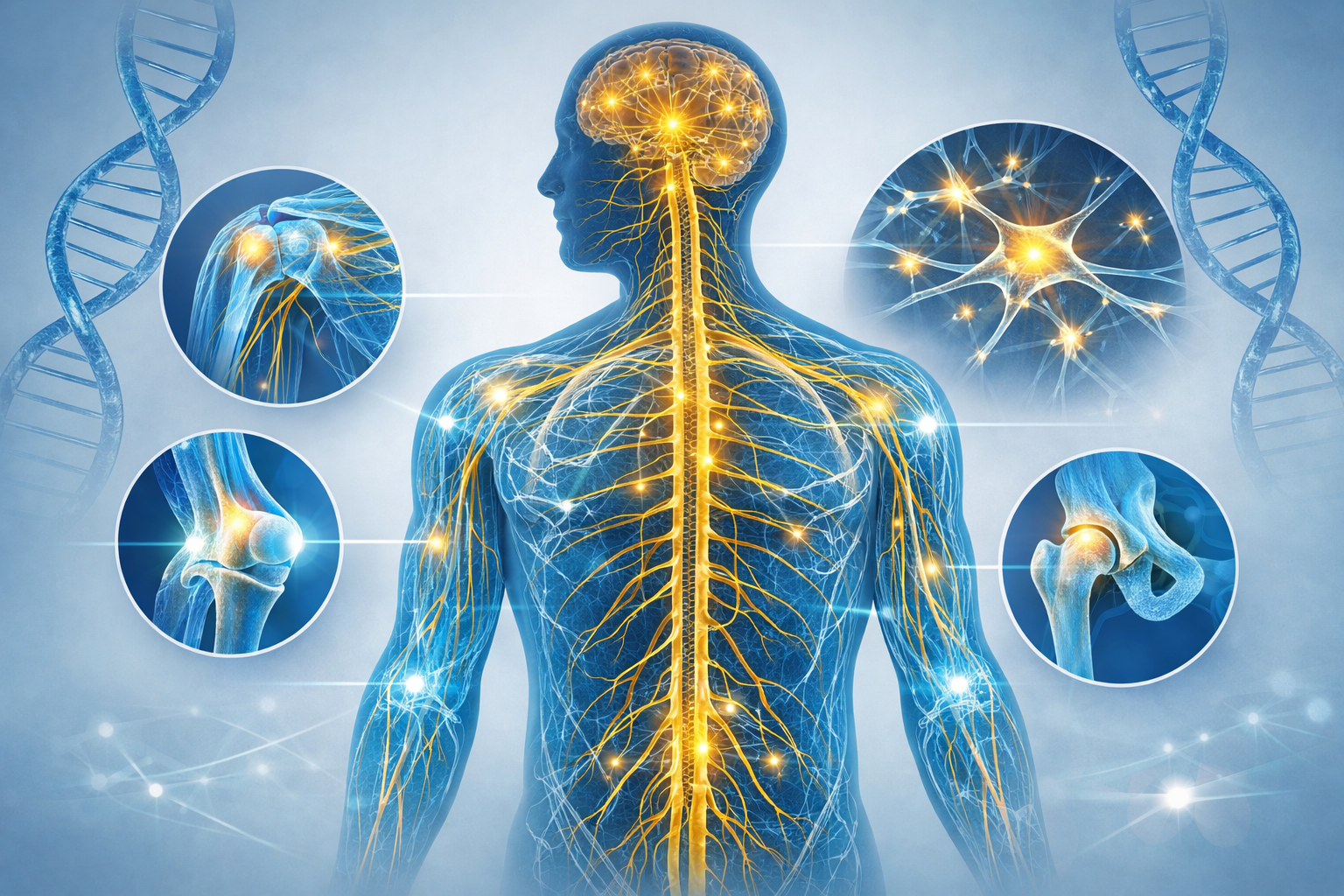
What is hEDS?
Hypermobile Ehlers-Danlos syndrome is a genetic connective tissue disorder that affects collagen production. Collagen is the body’s most abundant protein, providing structure and strength to skin, joints, blood vessels, and organs. When collagen doesn’t function properly, it creates a cascade of effects throughout the body.
People with hEDS typically experience:
- Joint hypermobility and frequent dislocations
- Chronic pain and fatigue
- Skin that bruises easily
- Digestive issues
- Cardiovascular problems
The Neurodivergent Brain Connection
Neurodivergence encompasses brain differences that affect how people process information, interact socially, and navigate the world. Common neurodivergent conditions include:
- ADHD (Attention Deficit Hyperactivity Disorder)
- Autism Spectrum Disorder
- Sensory Processing Disorder
- Anxiety disorders
- Learning differences
Research shows that collagen plays a crucial role in brain development and function. The extracellular matrix in the brain—largely composed of collagen—helps support neural connections and influences neurotransmitter function.
Biological Mechanisms Linking the Two
Scientists have identified several pathways connecting hEDS and neurodivergence:
1. Shared Genetic Factors
Multiple genes involved in collagen production also influence brain development. Mutations affecting these genes can simultaneously impact connective tissue integrity and neurological function.
2. Neurotransmitter Imbalances
Collagen dysfunction may affect the production and regulation of key neurotransmitters like dopamine and serotonin, which are crucial for attention, mood, and sensory processing. Understanding how to manage these brain chemicals becomes essential for overall wellbeing.
3. Autonomic Nervous System Dysfunction
hEDS often involves dysautonomia, affecting the nervous system’s ability to regulate involuntary functions. This can contribute to anxiety, attention difficulties, and emotional regulation challenges.
Common Overlapping Symptoms in hEDS and Neurodivergence
Understanding the intersection between physical and neurological symptoms helps explain why many people with hEDS also experience neurodivergent traits.
Sensory Processing Challenges
Both hEDS and neurodivergence frequently involve sensory processing differences:
| Sensory Area | hEDS Impact | Neurodivergent Impact |
|---|---|---|
| Touch | Hypersensitive skin, pain amplification | Tactile defensiveness, texture aversions |
| Movement | Poor proprioception, balance issues | Seeking or avoiding vestibular input |
| Sound | Hyperacusis from tissue laxity | Auditory processing differences |
| Vision | Eye strain, focusing difficulties | Visual processing challenges |
Executive Function Difficulties
The overlap extends to cognitive functions:
- Working memory challenges 🧠
- Difficulty with organization and planning
- Time management struggles
- Problems with task initiation and completion
These challenges often stem from both the cognitive load of managing chronic pain and the neurological impacts of collagen dysfunction. Cognitive brain training can be particularly beneficial for addressing these overlapping concerns.
Emotional Regulation Issues
Both conditions can affect emotional processing:
- Heightened anxiety responses
- Mood swings and irritability
- Difficulty managing stress
- Social interaction challenges
The constant stress of managing unpredictable physical symptoms can exacerbate neurodivergent traits, creating a cycle that requires comprehensive support. Learning effective stress management techniques becomes crucial for breaking this cycle.
Recognizing the Signs: Are You Neurodivergent?
Many people with hEDS discover their neurodivergence later in life, especially women who were historically underdiagnosed. Recognizing whether you might be neurodivergent can be the first step toward getting appropriate support.
Red Flags to Watch For:
In Childhood:
- Frequent “clumsiness” or injuries
- Extreme sensitivity to clothing textures
- Difficulty sitting still or focusing
- Social challenges or feeling “different”
- Intense interests or perfectionism
In Adulthood:
- Chronic fatigue beyond physical symptoms
- Difficulty with executive tasks despite intelligence
- Sensory overwhelm in busy environments
- Masking or camouflaging social difficulties
- Anxiety that seems disproportionate to situations
The Masking Effect
Many individuals, particularly women, develop sophisticated masking strategies that hide their neurodivergent traits. Combined with hEDS symptoms, this can lead to:
- Delayed diagnosis of both conditions
- Increased mental health challenges
- Burnout and exhaustion
- Difficulty accessing appropriate support
Understanding this masking phenomenon is crucial for healthcare providers and individuals seeking diagnosis.
Managing hEDS and Neurodivergence: A Holistic Approach
Successfully managing the intersection of hEDS and neurodivergence requires addressing both physical and neurological aspects simultaneously.
Medical Management Strategies
Coordinated Care Team:
- Rheumatologist or geneticist for hEDS
- Neurologist or psychiatrist for neurodivergent conditions
- Physical therapist specializing in hypermobility
- Occupational therapist for sensory integration
- Mental health professional familiar with both conditions
Medication Considerations:
Treating neurodivergent symptoms in people with hEDS requires careful consideration of:
- Medication sensitivities common in hEDS
- Cardiovascular effects due to autonomic dysfunction
- Drug interactions with pain management medications
- Individual response variations
Lifestyle Modifications and Coping Strategies
Physical Support:
- Low-impact exercise routines (swimming, yoga, Pilates)
- Joint protection and bracing when needed
- Ergonomic workspaces and tools
- Regular sleep schedule to support both conditions
Sensory Regulation:
- Creating sensory-friendly environments
- Using noise-canceling headphones or sunglasses
- Fidget tools and movement breaks
- Weighted blankets or compression clothing
Cognitive Support:
Implementing strategies that work for both conditions:
- External organization systems (calendars, reminders, lists)
- Breaking tasks into smaller steps
- Energy management and pacing
- Mindfulness and stress reduction techniques
Emotional brain training can be particularly effective for developing these coping strategies while addressing both the physical and neurological aspects of these conditions.
Building Support Networks
Professional Support:
- Support groups for hEDS and neurodivergent individuals
- Online communities and forums
- Advocacy organizations
- Educational resources for family and friends
Personal Advocacy:
- Learning to communicate needs effectively
- Understanding legal rights and accommodations
- Building self-confidence and self-advocacy skills
- Developing healthy boundaries
Workplace and Educational Accommodations
Understanding your rights and available accommodations can significantly improve quality of life:
Common Accommodations:
- Flexible scheduling or remote work options
- Ergonomic equipment and workspace modifications
- Extended time for tasks or breaks
- Sensory accommodations (lighting, noise reduction)
- Alternative communication methods
The Importance of Early Recognition and Intervention
Recognizing the connection between hEDS and neurodivergence early can dramatically improve outcomes and quality of life.
Benefits of Early Identification:
For Children:
- Earlier intervention services
- Appropriate educational support
- Better understanding of behaviors
- Reduced secondary mental health issues
- Improved family dynamics and support
For Adults:
- Validation and self-understanding
- Access to appropriate treatments
- Improved relationships and communication
- Better workplace accommodations
- Reduced anxiety and depression
Breaking the Diagnostic Delay
Many factors contribute to delayed recognition of this overlap:
- Limited awareness among healthcare providers
- Symptom attribution to other causes
- Masking and compensation strategies
- Gender and cultural biases in diagnosis
- Fragmented healthcare systems
Advocacy and education are crucial for improving recognition and reducing diagnostic delays.
Future Directions and Research
The field of hEDS and neurodivergence research is rapidly evolving, with exciting developments on the horizon.
Emerging Research Areas:
Genetic Studies:
- Identifying specific gene variants that increase risk for both conditions
- Understanding inheritance patterns and family clustering
- Developing genetic testing protocols
Biomarker Development:
- Blood tests or other markers for early identification
- Monitoring treatment response
- Predicting symptom progression
Treatment Innovation:
- Targeted therapies addressing underlying mechanisms
- Personalized medicine approaches
- Novel intervention strategies
Implications for Healthcare
This growing understanding is reshaping medical practice:
- Integrated care models that address both conditions
- Improved screening protocols
- Better training for healthcare providers
- Enhanced patient education resources
Conclusion
The relationship between hEDS and neurodivergence represents a fascinating intersection of genetics, physiology, and neuroscience. Understanding this connection opens doors to better diagnosis, more effective treatments, and improved quality of life for millions of people who have long struggled with seemingly unrelated symptoms.
For individuals navigating this complex landscape, remember that you’re not alone. The overlap between these conditions is real, scientifically supported, and increasingly recognized by healthcare providers. Whether you’re seeking answers for yourself or supporting a loved one, knowledge is power.
Next Steps:
- Seek comprehensive evaluation if you suspect both conditions may be present
- Connect with specialized healthcare providers familiar with this overlap
- Join support communities to learn from others with similar experiences
- Advocate for yourself in healthcare and other settings
- Stay informed about emerging research and treatment options
The journey of understanding hEDS and neurodivergence may be complex, but with proper support, education, and care, it’s possible to thrive while managing both conditions. Your unique brain and body deserve compassionate, comprehensive care that honors the full spectrum of your experience.


