
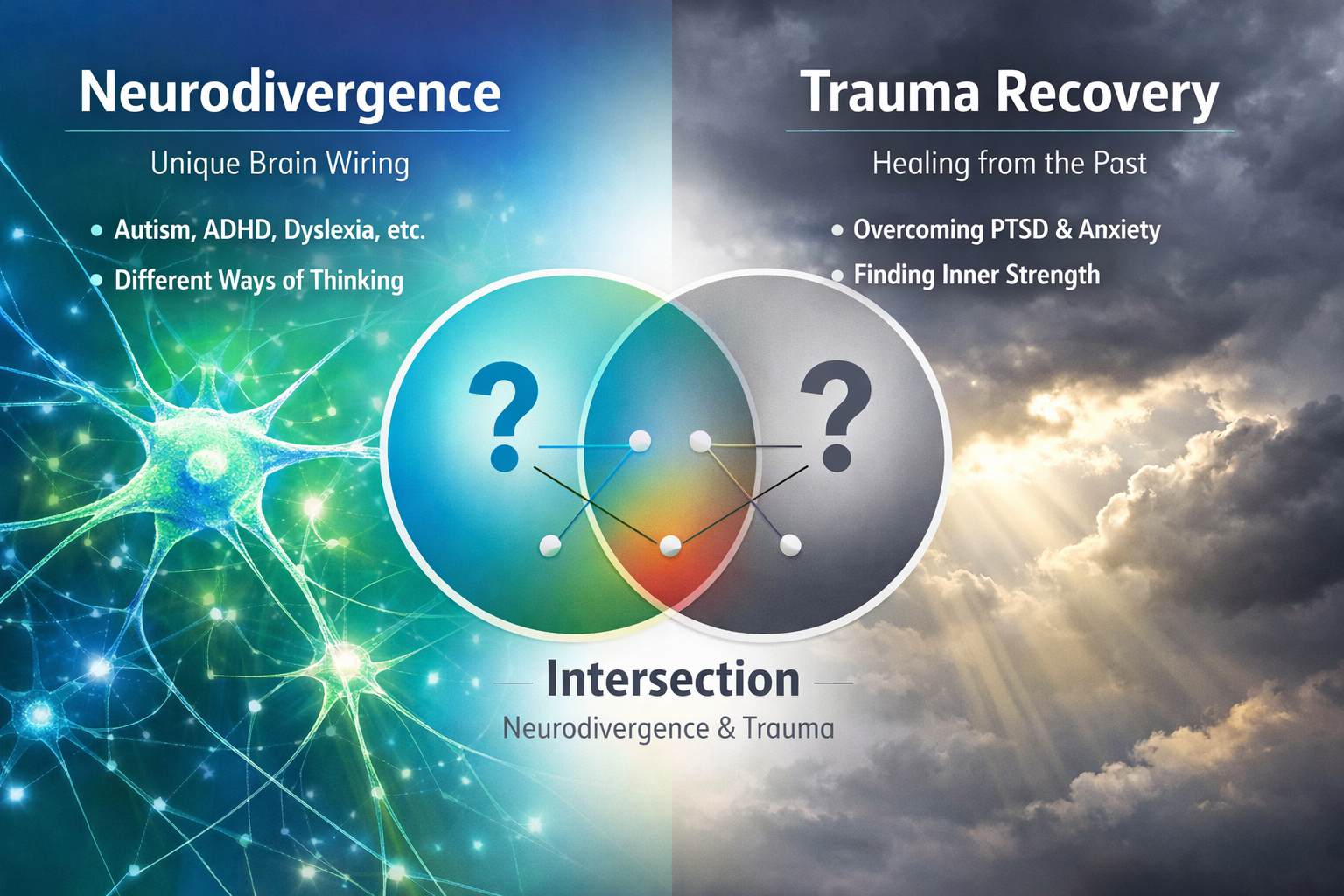
In 2026, conversations about mental health and neurodiversity have become more common than ever before. As people become more aware of conditions like ADHD, autism, and other forms of neurodivergence, many are asking important questions about their origins. One question that frequently arises is: can neurodivergence be caused by trauma? This question touches on fundamental aspects of how our brains develop and respond to life experiences.
Understanding the relationship between trauma and neurodivergence matters deeply for individuals seeking answers about themselves or their loved ones. The connection between these two areas is more complex than it might first appear, and getting clarity can help people access the right support and resources.
Key Takeaways
• Neurodivergence typically has genetic or developmental origins rather than being caused by trauma
• Trauma and neurodivergence can produce similar symptoms, making accurate assessment crucial
• Some individuals may experience both trauma effects and neurodivergence simultaneously
• Professional evaluation is essential for distinguishing between trauma responses and neurodivergent traits
• Understanding the differences helps ensure appropriate support and interventions
What Is Neurodivergence? 🧠
Neurodivergence refers to natural variations in how the brain develops and functions. Rather than viewing certain neurological differences as disorders or deficits, the concept of neurodiversity recognizes these variations as part of human diversity.
Common examples of neurodivergent conditions include:
- ADHD (Attention Deficit Hyperactivity Disorder) – Differences in attention, hyperactivity, and impulse control
- Autism Spectrum Disorder – Variations in social communication, sensory processing, and behavioral patterns
- Dyslexia – Differences in language processing and reading abilities
- Dyspraxia – Challenges with motor coordination and planning
- Tourette’s Syndrome – Involuntary tics and vocalizations
These conditions typically emerge from genetic factors, brain development patterns, or neurological differences present from birth or early childhood. Effective ways to increase your brain power can help individuals work with their unique neurological patterns rather than against them.
What Is Psychological Trauma?
Psychological trauma occurs when someone experiences events that overwhelm their ability to cope. These experiences can have lasting effects on mental, emotional, and physical well-being.
Types of Traumatic Experiences
Trauma can result from various situations, including:
- Abuse or neglect during childhood or adulthood
- Loss or major life disruptions such as death of loved ones or divorce
- Chronic stress or unsafe environments including poverty or violence
- Single traumatic events like accidents or natural disasters
- Complex trauma involving repeated or prolonged exposure to harmful situations
How Trauma Affects the Brain
When someone experiences trauma, their brain’s stress response system becomes activated. Over time, chronic stress can affect:
- Memory processing and storage
- Emotional regulation abilities
- Attention and concentration
- Sleep patterns and physical health
- Social relationships and trust
Understanding these effects helps explain why trauma responses might sometimes resemble neurodivergent traits. Managing brain chemicals for happiness becomes particularly important for trauma survivors.
Can Neurodivergence Be Caused by Trauma?
The short answer is that trauma does not typically cause neurodivergence in the traditional sense. Current scientific understanding indicates that most neurodivergent conditions have genetic or developmental origins that exist independently of life experiences.
The Science Behind Neurodevelopment
Research shows that conditions like ADHD and autism:
- Often have genetic components passed down through families
- Involve brain development patterns established before birth or in early infancy
- Show consistent neurological differences that exist regardless of environmental factors
- Can be identified through specific assessment criteria that distinguish them from trauma responses
However, this doesn’t mean trauma and neurodivergence never interact. The relationship is more nuanced than a simple cause-and-effect scenario.
Why Trauma and Neurodivergence Can Look Similar
One reason people wonder whether can neurodivergence be caused by trauma is that both can produce overlapping symptoms. This similarity can make accurate identification challenging.
Common Overlapping Symptoms
Both trauma responses and neurodivergent traits may include:
| Symptom Area | Trauma Response | Neurodivergent Trait |
|---|---|---|
| Attention | Hypervigilance or dissociation | Natural attention differences |
| Emotional Regulation | Trauma-triggered reactions | Neurological processing differences |
| Social Interaction | Trust issues or withdrawal | Communication style variations |
| Behavioral Patterns | Coping mechanisms | Inherent behavioral preferences |
Why Misidentification Happens
Several factors contribute to confusion between trauma and neurodivergence:
- Limited assessment time in clinical or educational settings
- Lack of comprehensive developmental history
- Cultural biases about “normal” behavior
- Insufficient training in recognizing neurodivergent traits
Improving social skills can benefit individuals regardless of whether their challenges stem from trauma or neurodivergence.
How Trauma Can Affect the Brain
While trauma doesn’t cause neurodivergence, it can significantly impact brain function and development. Understanding these effects helps clarify why the question can neurodivergence be caused by trauma arises so frequently.
Neurological Impact of Chronic Stress
Prolonged exposure to stress and trauma can affect:
🧠 Prefrontal Cortex
- Reduced executive functioning
- Difficulty with planning and decision-making
- Challenges with impulse control
🧠 Hippocampus
- Memory formation problems
- Difficulty distinguishing past from present
- Learning and retention challenges
🧠 Amygdala
- Heightened threat detection
- Increased emotional reactivity
- Hypervigilance or anxiety
Behavioral and Emotional Changes
Trauma can lead to:
- Attention difficulties due to hypervigilance or dissociation
- Emotional dysregulation from overwhelmed coping systems
- Social withdrawal or difficulty trusting others
- Learning challenges from disrupted cognitive processing
These changes can persist long after the traumatic experience ends, creating lasting patterns that might be mistaken for neurodivergent traits. Cognitive brain training can help address some trauma-related cognitive challenges.
When Trauma and Neurodivergence Occur Together
Some individuals experience both neurodivergence and trauma effects simultaneously. This combination creates unique challenges that require careful understanding and support.
Increased Vulnerability
Neurodivergent individuals may face higher risks for traumatic experiences due to:
- Social misunderstanding and bullying
- Sensory overwhelm in stressful environments
- Communication challenges that prevent help-seeking
- Masking behaviors that lead to chronic stress
Complex Presentations
When both factors are present, individuals might show:
- Amplified symptoms in areas where trauma and neurodivergence overlap
- Unique coping strategies that combine responses to both experiences
- Varied symptom presentation depending on stress levels and environment
- Different support needs that address both neurological differences and trauma healing
Assessment Challenges
Distinguishing between trauma effects and neurodivergent traits becomes particularly complex when both are present. Professional evaluators must consider:
- Developmental history before any traumatic experiences
- Family patterns of neurodivergent traits
- Specific symptom characteristics that distinguish each condition
- Response to different interventions over time
Why Accurate Assessment Matters
Getting the right understanding of whether someone is experiencing trauma effects, neurodivergence, or both is crucial for several reasons.
Avoiding Misdiagnosis Consequences
Misidentifying trauma as neurodivergence might lead to:
- ❌ Missing opportunities for trauma healing
- ❌ Inappropriate medication recommendations
- ❌ Lack of therapeutic support for underlying trauma
Misidentifying neurodivergence as trauma might result in:
- ❌ Ineffective therapy approaches
- ❌ Missing needed accommodations
- ❌ Continued struggles without proper support
Professional Evaluation Benefits
Trained specialists can provide:
✅ Comprehensive developmental assessments
✅ Trauma-informed evaluation approaches
✅ Differential diagnosis expertise
✅ Appropriate referrals and recommendations
Understanding gaslighting becomes particularly important, as individuals seeking answers about neurodivergence may have had their experiences invalidated or minimized.
Supporting Individuals Experiencing Trauma or Neurodivergence
Regardless of whether someone is dealing with trauma effects, neurodivergence, or both, certain support strategies can be beneficial.
Creating Supportive Environments
For Everyone:
- 🏠 Safe, predictable spaces with clear expectations
- 🤝 Non-judgmental acceptance of individual differences
- 📚 Access to information about their specific experiences
- 🎯 Strengths-based approaches that build on existing abilities
Trauma-Specific Support
For Trauma Survivors:
- 🔄 Trauma-informed therapy approaches
- 🧘 Stress management and grounding techniques
- 💪 Safety planning and coping skill development
- 🌱 Gradual healing at an appropriate pace
Neurodivergence-Specific Support
For Neurodivergent Individuals:
- ⚙️ Accommodations that work with natural brain differences
- 🎨 Alternative communication or learning methods
- 🏆 Recognition of strengths and unique abilities
- 🤝 Community connections with similar individuals
Emotional brain training can be particularly helpful for developing emotional regulation skills, whether challenges stem from trauma or neurodivergent processing differences.
Integrated Support Approaches
When both trauma and neurodivergence are present:
- Trauma-informed neurodiversity approaches that understand both experiences
- Flexible interventions that can be adapted based on current needs
- Collaborative care teams including various specialists
- Long-term support planning that evolves over time
Moving Forward with Understanding
The question can neurodivergence be caused by trauma reflects a genuine desire to understand complex human experiences. While trauma doesn’t typically cause neurodivergence, both experiences significantly impact how individuals navigate the world.
Building Self-Awareness
Whether dealing with trauma effects, neurodivergence, or both, developing self-awareness helps individuals:
- Recognize their unique patterns and needs
- Advocate for appropriate support and accommodations
- Build on their strengths while addressing challenges
- Connect with others who share similar experiences
Seeking Professional Guidance
Professional support becomes especially valuable when:
- Symptoms significantly impact daily functioning
- Multiple explanations seem possible for current challenges
- Previous interventions haven’t been effective
- Co-occurring conditions complicate the picture
Understanding the characteristics of self-esteem becomes important throughout this journey, as both trauma and neurodivergence can impact how individuals view themselves.
Conclusion
The relationship between trauma and neurodivergence is complex but important to understand. While neurodivergence is generally not caused by trauma, both experiences can significantly impact brain function, behavior, and emotional well-being in ways that sometimes appear similar.
Key points to remember:
- Neurodivergent conditions typically have genetic or developmental origins
- Trauma can create symptoms that resemble neurodivergent traits
- Some individuals experience both trauma effects and neurodivergence
- Professional assessment helps distinguish between different causes of symptoms
- Appropriate support depends on accurate understanding of underlying factors
Next steps for moving forward:
- Seek professional evaluation if you’re unsure about the source of ongoing challenges
- Learn about both trauma and neurodivergence to better understand your experiences
- Connect with supportive communities that understand your specific situation
- Advocate for accommodations and support that address your actual needs
- Practice self-compassion as you navigate this journey of understanding
Whether your experiences stem from trauma, neurodivergence, or both, remember that seeking answers and support is a sign of strength. Understanding the true nature of your challenges is the first step toward accessing the most effective help and building a life that works with your unique brain and experiences.


