
The human brain is remarkably complex, with billions of neurons creating unique patterns of thought, behavior, and perception in every individual. As awareness of neurodivergence grows in 2026, many people find themselves wondering: can neurodivergence be acquired, or are these brain differences something we’re born with? This question touches the lives of millions who notice changes in their cognitive abilities, whether from injury, illness, or life experiences.
The answer isn’t as straightforward as you might expect. While many neurodivergent conditions are present from birth, research shows that certain brain differences can indeed develop later in life through various circumstances. Understanding this distinction is crucial for anyone navigating neurodivergence, whether personally or supporting loved ones through their journey.
Key Takeaways
• Most neurodivergent conditions are developmental and present from birth, but some traits can be acquired through brain injuries, medical conditions, or significant neurological changes
• The distinction between developmental and acquired neurodivergence matters for proper diagnosis, treatment approaches, and understanding individual experiences
• Brain plasticity allows for changes throughout life, meaning cognitive and behavioral patterns can shift due to various factors including trauma, chronic stress, and medical conditions
• Professional evaluation is essential for determining whether neurodivergent traits are developmental or acquired, as this guides appropriate support strategies
• Both developmental and acquired neurodivergence are valid experiences within the broader neurodiversity movement and deserve understanding and accommodation
What Is Neurodivergence?
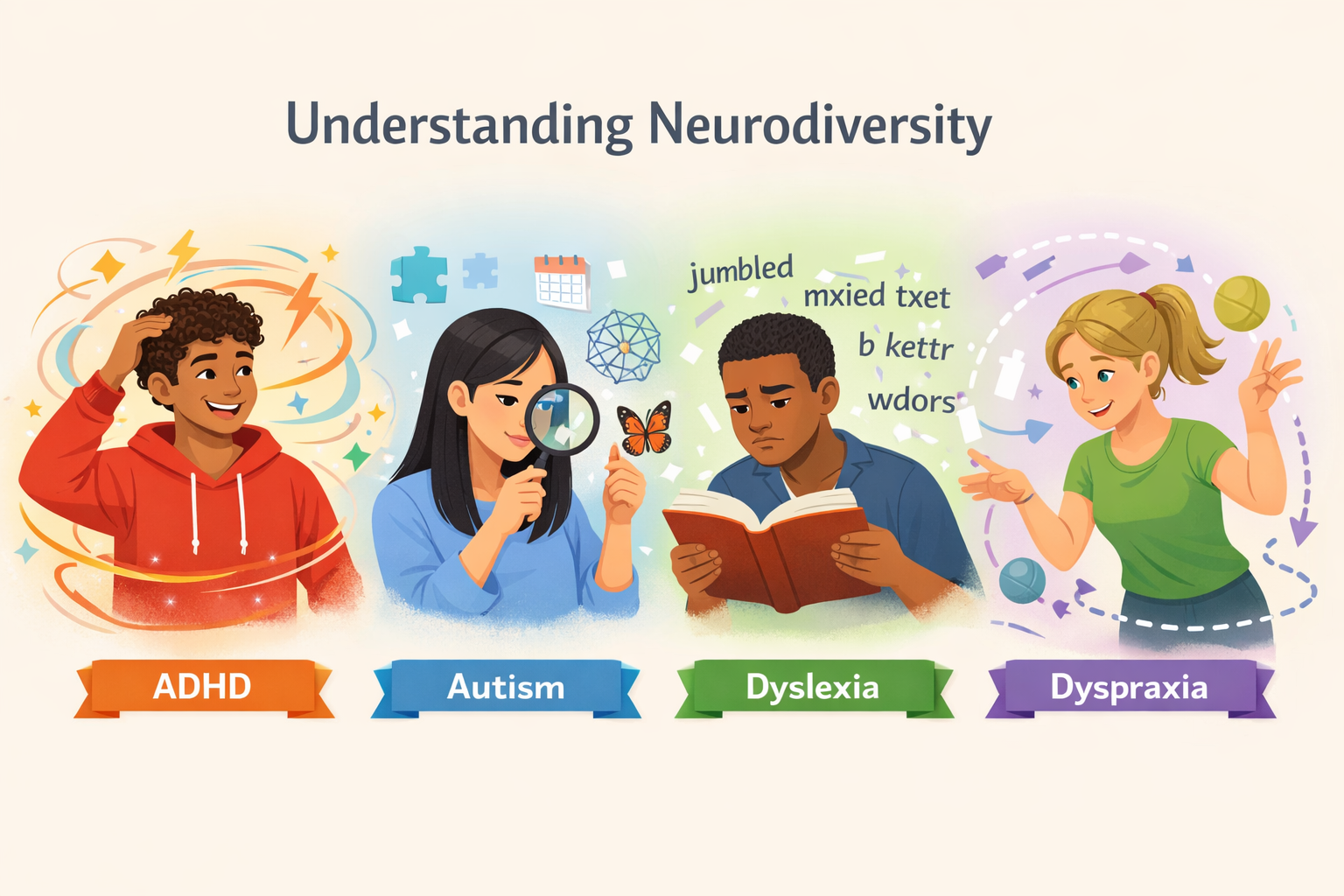
Neurodivergence refers to natural variations in how the brain functions, processes information, and responds to the world. The term encompasses a wide range of neurological differences that affect thinking, learning, attention, mood, and social interaction.
The concept of neurodiversity recognizes that these brain differences are natural human variations rather than defects or disorders. This perspective emphasizes that neurodivergent individuals bring unique strengths and perspectives to society, even while they may face certain challenges.
Common Neurodivergent Conditions
The most recognized neurodivergent conditions include:
🧠 ADHD (Attention-Deficit/Hyperactivity Disorder)
- Affects attention, impulse control, and activity levels
- Impacts executive functioning and organization
🎯 Autism Spectrum Disorder
- Influences social communication and interaction
- Often involves sensory sensitivities and repetitive behaviors
📚 Dyslexia
- Affects reading, spelling, and language processing
- Can impact written communication despite normal intelligence
🤹 Dyspraxia (Developmental Coordination Disorder)
- Affects motor skills and coordination
- Can impact both physical movements and planning abilities
⚡ Tourette’s Syndrome
- Involves involuntary tics and vocalizations
- Often accompanied by other neurodivergent conditions
These conditions represent differences in brain function and processing rather than intellectual disabilities. Many neurodivergent individuals excel in specific areas while facing challenges in others, highlighting the importance of understanding and accommodating these differences.
Are People Born Neurodivergent?
The majority of neurodivergent conditions are developmental, meaning they’re present from birth and become apparent as the brain develops. These conditions result from natural variations in brain structure and function that occur during prenatal development.
Genetic Influences and Brain Development
Research consistently shows strong genetic components in most neurodivergent conditions:
- ADHD has a heritability rate of approximately 70-80%
- Autism shows genetic influences in 80-90% of cases
- Dyslexia often runs in families, with 40-60% heritability
During prenatal development, various factors influence brain formation, including genetic instructions, environmental conditions in the womb, and random developmental variations. These factors create the neural foundations that lead to neurodivergent traits.
Early Childhood Signs
Developmental neurodivergence typically shows signs early in life:
Early ADHD indicators:
- Difficulty sitting still or focusing
- Impulsive behaviors
- Challenges with transitions
Early autism signs:
- Differences in social interaction
- Repetitive behaviors or intense interests
- Sensory sensitivities
Early dyslexia markers:
- Delayed language development
- Difficulty with rhyming or sound recognition
- Challenges learning letter names
Understanding these early patterns helps distinguish developmental neurodivergence from changes that occur later in life. Emotional brain training can be particularly valuable for supporting neurodivergent individuals in developing coping strategies and emotional regulation skills.
Can Neurodivergence Be Acquired Later in Life?
While most neurodivergence is developmental, acquired neurodivergence can indeed occur when brain injuries, medical conditions, or significant neurological changes alter cognitive function, behavior, or sensory processing.
Understanding Acquired Neurodivergence
Acquired neurodivergence refers to changes in brain function that develop after birth due to external factors or medical conditions. These changes can create cognitive, behavioral, or sensory differences that weren’t present earlier in life.
The brain’s remarkable plasticity means it continuously adapts throughout life. While this usually supports learning and recovery, significant changes can also alter fundamental aspects of how someone thinks, processes information, or interacts with their environment.
Examples of Acquired Neurodivergence
🧠 Traumatic Brain Injury (TBI)
- Can affect attention, memory, and executive functioning
- May create ADHD-like symptoms in previously unaffected individuals
- Can alter personality, impulse control, and social behavior
🩺 Stroke
- May impact language processing, creating acquired dyslexia
- Can affect motor coordination and planning abilities
- Often changes cognitive processing patterns
⚕️ Neurological Conditions
- Multiple sclerosis can create attention and processing difficulties
- Parkinson’s disease may affect executive functioning
- Brain tumors can alter cognitive abilities depending on location
🔬 Medical Treatments
- Chemotherapy can cause “chemo brain” with attention and memory issues
- Certain medications may create cognitive side effects
- Surgical procedures affecting the brain can change functioning
How These Changes Affect Daily Life
Acquired neurodivergence can significantly impact:
- Cognitive abilities like attention, memory, and processing speed
- Behavioral patterns including impulse control and social interaction
- Sensory processing affecting how the brain interprets environmental input
- Emotional regulation and mood stability
These changes often require brain exercises and cognitive training to help individuals adapt to their new neurological reality.
Developmental vs. Acquired Neurodivergence: Understanding the Distinction
The difference between developmental and acquired neurodivergence significantly impacts diagnosis, treatment, and personal understanding of one’s neurological profile.
Key Differences
| Developmental Neurodivergence | Acquired Neurodivergence |
|---|---|
| Present from birth | Develops after birth |
| Genetic/prenatal origins | External causes (injury, illness) |
| Consistent throughout life | May change or improve over time |
| Part of core identity | Represents a change from baseline |
| Requires lifelong accommodation | May benefit from rehabilitation |
Why the Distinction Matters
For Diagnosis:
- Different assessment approaches are needed
- Medical history becomes crucial for acquired conditions
- Treatment goals vary significantly
For Support:
- Developmental conditions focus on accommodation and skill-building
- Acquired conditions may emphasize recovery and adaptation
- Family dynamics and expectations differ
For Identity:
- Developmental neurodivergence is often central to personal identity
- Acquired changes may involve grief for previous abilities
- Both experiences are valid within neurodiversity conversations
Understanding these differences helps healthcare providers, families, and individuals themselves develop appropriate expectations and support strategies. Developing self-awareness becomes particularly important when navigating either type of neurodivergence.
Other Factors That Can Influence Brain Function
Beyond clear-cut acquired neurodivergence, several factors can create changes in cognitive function that may resemble neurodivergent traits.
Chronic Stress and Trauma
Long-term stress can significantly alter brain function:
- Affects attention and concentration abilities
- Impacts memory formation and retrieval
- Changes emotional regulation patterns
- Can create hypervigilance or dissociative responses
Trauma responses may include:
- Difficulty with executive functioning
- Sensory sensitivities or processing changes
- Social interaction challenges
- Attention and focus difficulties
Environmental Influences
Various environmental factors can impact cognitive function:
🏭 Toxic Exposures
- Lead poisoning can affect attention and learning
- Chemical exposures may alter neurological function
- Air pollution has been linked to cognitive changes
💊 Substance Use
- Alcohol can create long-term cognitive effects
- Drug use may permanently alter brain chemistry
- Prescription medications can have lasting impacts
🍎 Nutritional Factors
- Severe deficiencies can affect brain development
- Blood sugar instability impacts attention and mood
- Certain food sensitivities may influence behavior
Medical Conditions Affecting the Brain
Numerous medical conditions can create cognitive or behavioral changes:
- Autoimmune disorders affecting the nervous system
- Hormonal imbalances influencing mood and cognition
- Sleep disorders creating attention and memory problems
- Chronic pain conditions affecting cognitive resources
These factors highlight why comprehensive evaluation is essential when someone experiences changes in cognitive function. Managing brain chemicals through lifestyle approaches can often help support optimal brain function regardless of underlying causes.
Diagnosis and Evaluation: Can Neurodivergence Be Acquired Through Professional Assessment?
Determining whether neurodivergent traits are developmental or acquired requires careful professional evaluation. This process is crucial for understanding individual needs and developing appropriate support strategies.
Importance of Professional Assessment
Qualified healthcare professionals use comprehensive approaches to evaluate neurodivergence:
- Neuropsychologists assess cognitive functioning patterns
- Psychiatrists evaluate mental health and neurological factors
- Neurologists examine brain structure and function
- Developmental specialists focus on childhood-onset conditions
How Clinicians Determine Developmental vs. Acquired Conditions
The evaluation process typically includes:
📋 Detailed History Taking
- Childhood development milestones
- Academic and social functioning over time
- Family history of neurodivergent conditions
- Timeline of any cognitive or behavioral changes
🧪 Comprehensive Testing
- Cognitive ability assessments
- Attention and executive function tests
- Memory and processing speed evaluations
- Academic skills testing when relevant
🔬 Medical Evaluation
- Brain imaging when indicated
- Blood tests to rule out medical causes
- Neurological examination
- Review of medications and medical conditions
👥 Collateral Information
- School records and report cards
- Input from family members or close friends
- Work performance evaluations
- Previous psychological or medical reports
Why Proper Evaluation Guides Treatment
Understanding the origin of neurodivergent traits helps determine:
Treatment Approaches:
- Developmental conditions benefit from accommodation strategies
- Acquired conditions may respond to rehabilitation techniques
- Medical causes might require specific interventions
Prognosis and Expectations:
- Developmental traits are typically lifelong characteristics
- Acquired changes may improve with time and treatment
- Recovery potential varies significantly
Support Strategies:
- Educational accommodations differ based on condition type
- Workplace modifications depend on stability of traits
- Family counseling approaches vary
Professional evaluation also helps distinguish between neurodivergence and other conditions like anxiety, depression, or medical issues that can create similar symptoms. Cognitive brain training may be recommended as part of comprehensive treatment plans.
Living With Neurodivergence: Strategies for Success
Whether neurodivergence is developmental or acquired, developing effective coping strategies and creating supportive environments are essential for thriving.
Strategies for Managing Cognitive Differences
🎯 Attention and Focus:
- Use timers and structured work periods
- Minimize distractions in work and study environments
- Break large tasks into smaller, manageable steps
- Implement consistent routines and schedules
🧠 Memory Support:
- Utilize external memory aids like calendars and reminders
- Create visual cues and organizational systems
- Practice information in multiple formats
- Develop mnemonic devices for important information
⚡ Executive Functioning:
- Plan and prepare for transitions
- Use checklists and step-by-step guides
- Practice problem-solving strategies
- Develop time management techniques
Importance of Accommodations and Supportive Environments
Educational Accommodations:
- Extended time for tests and assignments
- Alternative formats for information presentation
- Quiet testing environments
- Note-taking assistance or recording permissions
Workplace Modifications:
- Flexible scheduling options
- Noise-reducing headphones or quiet spaces
- Written instructions and clear expectations
- Regular check-ins and feedback
Home Environment:
- Organized, clutter-free spaces
- Consistent routines and structures
- Sensory considerations (lighting, sound, texture)
- Clear communication and expectations
Self-Understanding and Personal Growth
Developing self-awareness about neurodivergent traits enables:
🌱 Strength Recognition:
- Identifying areas of natural talent and ability
- Leveraging unique perspectives and thinking styles
- Building confidence in personal capabilities
- Celebrating neurodivergent contributions
🛠️ Challenge Management:
- Understanding personal triggers and limitations
- Developing personalized coping strategies
- Seeking appropriate support when needed
- Advocating for necessary accommodations
💪 Resilience Building:
- Accepting neurodivergence as part of personal identity
- Developing emotional regulation skills
- Building strong support networks
- Focusing on growth and adaptation
Developing self-confidence skills becomes particularly important for neurodivergent individuals who may have experienced challenges or criticism related to their differences.
Common Misconceptions About Whether Neurodivergence Can Be Acquired
Several myths and misunderstandings surround the question of whether neurodivergence can be acquired, leading to confusion and sometimes harmful assumptions.
Myth: Neurodivergence Is Always Either Genetic or Acquired
Reality: The relationship between genetics and environment is complex. Many conditions involve both genetic predisposition and environmental triggers or influences.
- Some individuals may have genetic vulnerability that becomes apparent after brain injury
- Environmental factors can influence the expression of genetic traits
- Epigenetic changes can alter gene expression throughout life
Misunderstandings About Brain Plasticity
Common Misconception: “If the brain can change, neurodivergence can always be ‘cured.'”
Truth: While brain plasticity allows for adaptation and learning, fundamental neurological differences often remain stable throughout life. Plasticity enables:
- Learning new coping strategies
- Developing compensatory skills
- Adapting to changes or challenges
- Not eliminating core neurodivergent traits
Oversimplification of Complex Neurological Conditions
Problematic Thinking: “All attention problems are ADHD” or “Any social difficulty means autism.”
Reality:
- Many conditions can create similar symptoms
- Proper diagnosis requires comprehensive evaluation
- Multiple factors often contribute to cognitive and behavioral patterns
- Professional assessment is essential for accurate understanding
The “Trauma Causes Autism” Myth
Dangerous Misconception: Emotional trauma or poor parenting causes autism.
Scientific Fact:
- Autism is a developmental condition with strong genetic components
- Trauma may affect how autism presents but doesn’t cause the condition
- This myth has caused unnecessary guilt and delayed appropriate support
Understanding these misconceptions helps individuals and families seek appropriate evaluation and support while avoiding harmful assumptions about neurodivergence origins.
When to Seek Professional Help
Recognizing when cognitive or behavioral changes warrant professional evaluation is crucial for getting appropriate support and understanding.
Signs That Changes Should Be Evaluated
🚨 Sudden Cognitive Changes:
- Dramatic shifts in attention or focus abilities
- New memory problems or confusion
- Unexpected learning difficulties
- Changes in language or communication skills
⚠️ Persistent Difficulties:
- Ongoing struggles that interfere with daily functioning
- Academic or work performance declines
- Social relationship challenges
- Emotional regulation problems
🔄 Changes Following Medical Events:
- Cognitive differences after head injury
- New symptoms following illness or medical treatment
- Medication side effects affecting thinking or behavior
- Recovery concerns after neurological events
Benefits of Early Support and Treatment
Prompt Evaluation Provides:
- Accurate diagnosis and understanding of changes
- Appropriate treatment and intervention strategies
- Prevention of secondary problems like anxiety or depression
- Access to accommodations and support services
Early Intervention Helps:
- Develop effective coping strategies
- Prevent academic or occupational difficulties
- Maintain relationships and social connections
- Build confidence and self-understanding
Consulting Qualified Healthcare Professionals
Seek Help From:
- Primary care physicians for initial evaluation
- Neuropsychologists for comprehensive cognitive testing
- Neurologists for brain-related medical concerns
- Mental health professionals for emotional support
Prepare for Appointments By:
- Documenting specific concerns and examples
- Gathering relevant medical and educational records
- Listing medications and medical conditions
- Bringing a trusted friend or family member for support
Remember that seeking evaluation doesn’t mean something is “wrong” – it’s about understanding your brain and getting the support you need to thrive. Improving social skills and other personal development work can complement professional treatment.
Conclusion
The question “can neurodivergence be acquired” reveals the beautiful complexity of human brain development and adaptation. While most neurodivergent conditions like ADHD, autism, and dyslexia are developmental and present from birth, significant neurological changes from injury, illness, or medical conditions can indeed create acquired neurodivergent traits later in life.
Understanding this distinction empowers individuals and families to seek appropriate evaluation, develop effective support strategies, and build realistic expectations for growth and adaptation. Whether neurodivergence is developmental or acquired, both experiences deserve recognition, accommodation, and support within our growing understanding of neurodiversity.
The brain’s remarkable plasticity means that regardless of the origin of neurodivergent traits, individuals can develop skills, strategies, and accommodations that enable them to thrive. Professional evaluation provides crucial insights for creating personalized approaches to education, work, and daily life.
Next Steps for Your Journey
- Seek Professional Evaluation if you’re experiencing cognitive changes or have concerns about neurodivergent traits
- Document Your Experiences by keeping track of specific challenges and strengths you notice
- Build Your Support Network by connecting with healthcare professionals, support groups, or neurodivergent communities
- Focus on Self-Understanding by exploring your unique cognitive profile and developing personalized strategies
- Advocate for Accommodations in educational, workplace, or personal settings that support your needs
Remember that neurodivergence – whether developmental or acquired – is part of the natural spectrum of human brain diversity. With proper understanding, support, and strategies, neurodivergent individuals can leverage their unique strengths while managing challenges effectively.


